Understanding the Importance of Hosting Events
In today's dynamic business landscape, Hosting Events has emerged as a vital strategy for brands aiming to strengthen their market presence and cultivate customer loyalty. Events provide a unique opportunity to engage directly with audiences, showcase products or services, and humanize a brand's identity. By effectively executing an event, businesses can drive awareness, generate leads, and ultimately increase sales.
Benefits of Hosting Events for Your Brand
The advantages of hosting events go beyond just marketing. One of the primary benefits is the chance to connect with existing and potential customers on a personal level. Live interaction fosters relationships and trust, which can lead to customer retention and brand loyalty.
Here are some specific benefits:
- Increased Brand Awareness: Events can elevate brand visibility as attendees often share experiences on social media, sparking wider interest.
- Networking Opportunities: Events create a platform for networking, allowing brands to build partnerships and collaborations.
- Market Research: Direct feedback from attendees can provide valuable insights into customer desires and preferences.
- Content Creation: Events offer ample content opportunities for marketing through photos, videos, and articles.
Types of Events to Consider
There are diverse types of events that businesses can host, each serving different purposes. Understanding which type suits your objectives is crucial for success. Some common event types include:
- Workshops: Offering educational sessions on specific topics related to your brand can establish thought leadership.
- Trade Shows: These events gather industry professionals and prospective customers, making them ideal for showcasing new products.
- Networking Events: Foster connections among professionals in the industry to enhance collaboration.
- Webinars: Virtual events that allow you to reach a broader audience without geographical restrictions.
- Fundraising Events: Combining charity with marketing can enhance your brand image while supporting a cause.
Identifying Your Audience for Effective Hosting Events
Before planning an event, it's essential to know who your target audience is. Understanding their demographics, preferences, and motivations will shape your event's content, marketing messages, and overall execution. Techniques to identify your audience include:
- Surveys and Feedback: Collect data from past customers to understand their interests.
- Social Media Insights: Analyze engagement on your social media platforms to gather demographic information.
- Industry Research: Utilize market research reports relevant to your sector.
Planning Your Event: Key Steps to Follow
Setting Objectives and Goals for Hosting Events
Every event should have clear objectives to measure success. Common goals may include increasing brand awareness, generating leads, or fostering community engagement. Setting measurable objectives also allows you to evaluate the event’s effectiveness post-execution.
Creating a Detailed Event Timeline
A detailed event timeline acts as a roadmap for planning. It helps ensure that tasks are completed on schedule, minimizing last-minute rushes. Consider the following essential steps:
- Define your event date and location.
- Book necessary vendors (catering, technology, venue).
- Coordinate team responsibilities and workflows.
- Market the event consistently leading up to the date.
Budgeting Wisely for Successful Hosting Events
Creating a well-structured budget is fundamental to the success of any event. Start by considering all potential expenses:
- Venue Costs: Rental fees, utilities, and insurance.
- Marketing Costs: Promotion through various channels to attract attendees.
- Logistics: Equipment rentals, catering, and staff remuneration.
- Contingency Fund: Always reserve a percentage of your budget for unforeseen expenses.
Choosing the Right Venue for Hosting Events
Factors to Consider When Selecting a Venue
Choosing the right venue is critical to your event's success as it sets the tone. Consider these factors:
- Capacity: Ensure the venue can accommodate your anticipated number of attendees comfortably.
- Location: Accessible venues can enhance attendance; consider parking and transportation options.
- Amenities: Look for necessary facilities such as audiovisual equipment, bathrooms, and catering options.
- Ambiance: Choose a venue that aligns with the theme of your event.
How https://www.tngolfstation.com is Ideal for Hosting Events
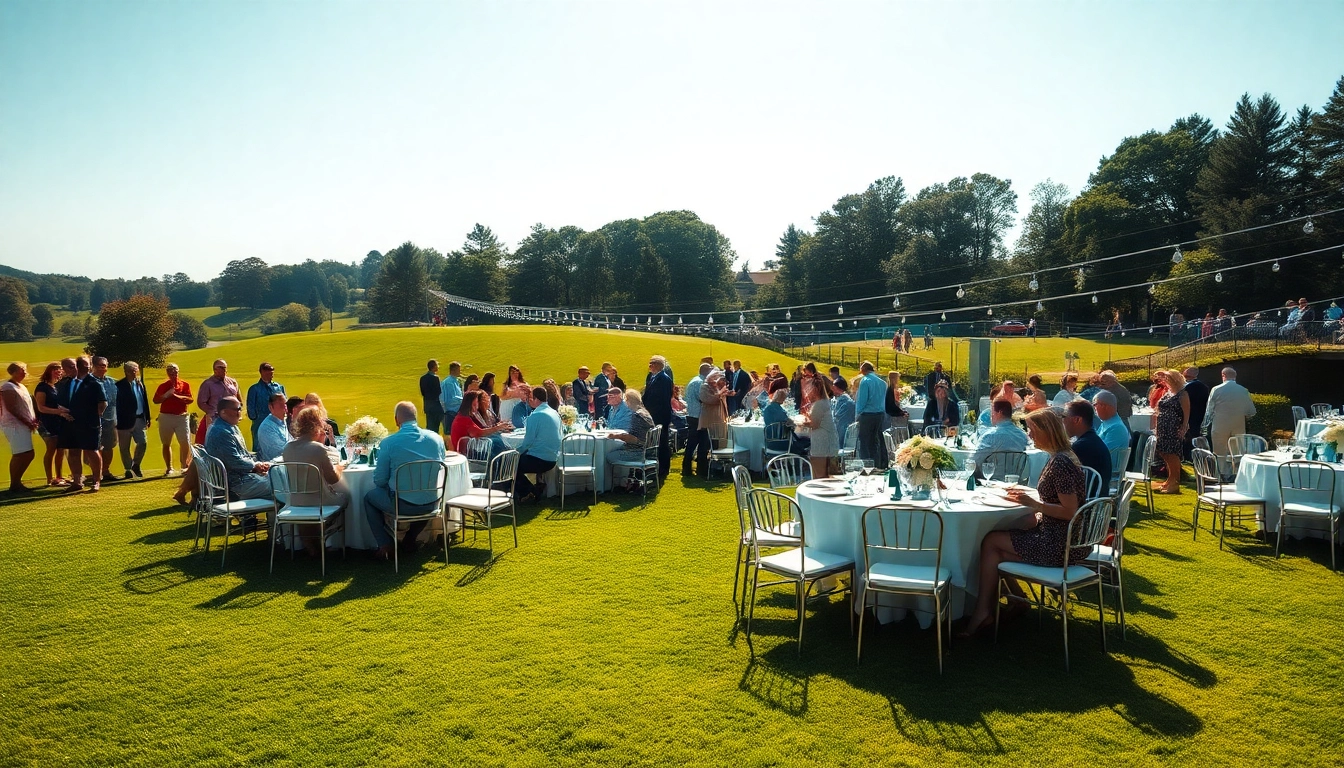
The venue at TNGolfStation is uniquely positioned for hosting a variety of events, thanks to its diverse offerings and inviting atmosphere. The spacious setting is not only aesthetically pleasing but also equipped with modern amenities. Whether you are planning a small intimate gathering or a large corporate event, TNGolfStation can cater to your specific needs effortlessly.
Logistics: Accessibility and Amenities
In addition to the venue’s overall appeal, logistics play a crucial role in effectively hosting events. Ensure the venue is equipped with:
- Audio-Visual Equipment: Quality sound systems, projectors, and displays work to enhance presentations.
- Internetwork: Reliable internet connectivity is essential, especially for live-streaming or hybrid events.
- Catering Services: Venues that offer in-house catering can help streamline meal planning and reduce stress.
- Breakout Spaces: Consider areas for smaller group interactions to facilitate deeper discussions during the event.
Marketing Your Event Effectively
Building Buzz on Social Media
Social media is an invaluable tool for marketing events. The initial launch of your event should create a strong buzz. Utilize various platforms to share engaging content, including sneak peeks, teasers, and countdowns. Collaborate with influencers to broaden your reach and attract their followers.
Leveraging Email Campaigns for Engagement
Email marketing is an efficient way to keep your audience informed about event specifics while encouraging registration. Consider these tactics to improve engagement:
- Segmenting Your Audience: Tailor messages based on audience interests.
- Clear Calls-to-Action: Make it easy for recipients to register or find more information.
- Post-Event Follow-Up: Send thank-you emails with links to event highlights.
Creating Inviting Visuals for Hosting Events
Creating engaging visuals is essential. High-quality images and videos not only grab attention but can also convey the event’s value. Use compelling graphics for marketing materials, such as flyers, social media posts, and your website to maintain a consistent aesthetic across platforms.
Measuring Success After Hosting Events
Key Performance Indicators to Track
Measuring the success of your event involves tracking various Key Performance Indicators (KPIs), such as:
- Attendance Rate: Compare the number of registered participants to actual attendees.
- Engagement Metrics: Monitor social media mentions, shares, and comments about the event.
- Satisfaction Surveys: Collect feedback on attendee experiences to assess satisfaction levels.
- Lead Generation: Evaluate how many leads were generated from the event, tracking conversions post-event.
Gathering Feedback for Improvement
Post-event surveys can provide insights into what worked well and what could be improved. Asking attendees open-ended questions can yield valuable qualitative data that can be instrumental for future events.
Continuous Engagement with Attendees
Finally, engagement should not stop once the event ends. Maintain communication with your attendees through follow-up emails, newsletters, or social media. Share photos from the event, highlight key moments, and invite them to future events. This continued relationship can lead to increased brand loyalty and future event attendance.
FAQs About Hosting Events
What is the first step in hosting an event?
The first step in hosting an event is defining your objectives and goals to ensure a clear vision for the event.
How can I promote my event effectively?
Promote your event through social media, email marketing, and partnerships with influencers to create buzz and drive attendance.
What should be included in an event budget?
An event budget should include venue costs, marketing expenses, logistics fees, and a contingency fund for unexpected expenses.
How do I measure the success of my event?
Measure success through KPIs such as attendance rates, engagement metrics, and surveys to gauge attendee satisfaction.
What's the best way to gather feedback after an event?
The best way to gather feedback is through post-event surveys, allowing attendees to share their experiences and suggestions.
Contact Information
Call Us: +1 615-624-7821Email: [email protected]Address: 1276 Northwest Broad Street, Murfreesboro, TN, USA