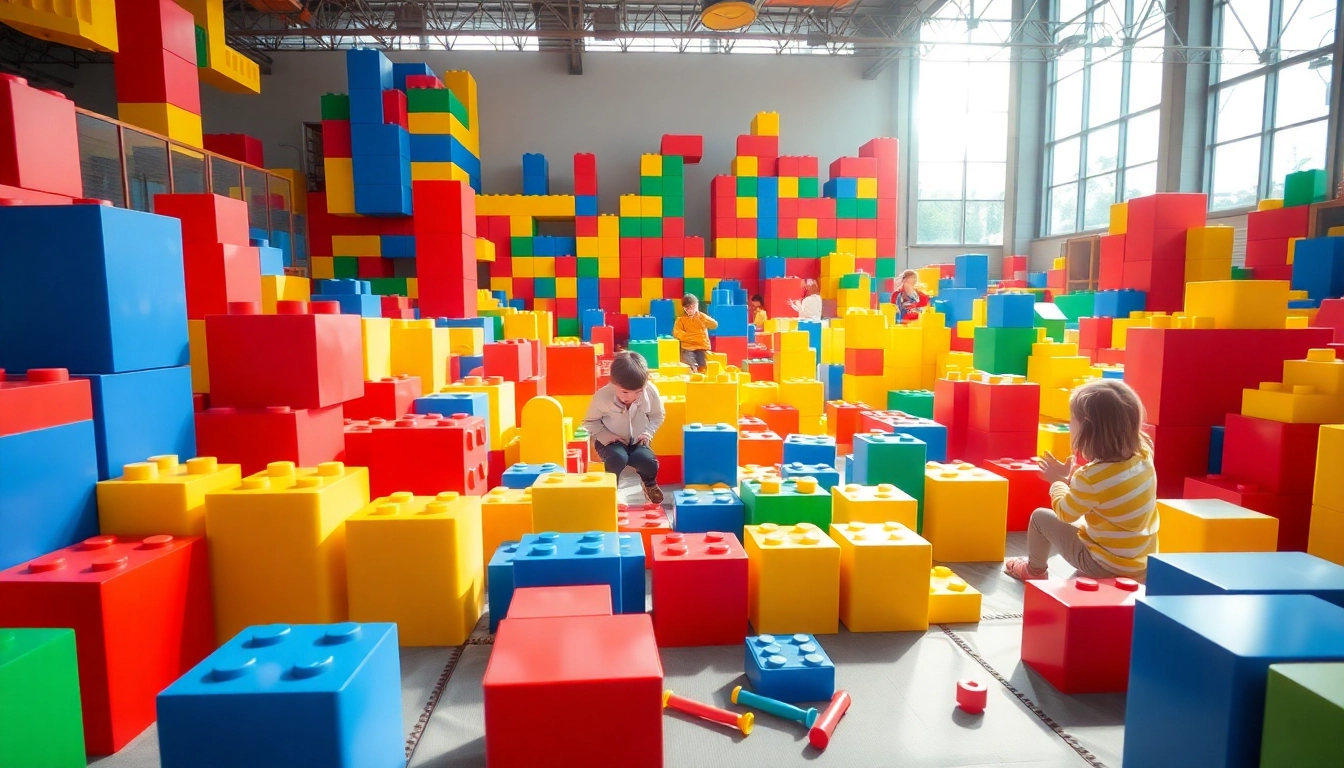
Introduction to Giant Foam Building Blocks
Giant foam building blocks have taken the world of children's play by storm, offering a versatile, safe, and engaging medium for creative construction. Whether it's building a fortress to defend against imaginary dragons or designing a majestic castle, these blocks serve as not just mere toys but gateways to imaginative adventures. For anyone looking to dive deeper into this playful universe, more details are readily available.
What are Giant Foam Building Blocks?
Giant foam building blocks are oversized structures made from soft foam, designed for children to stack, build, and explore their creativity without the risk of injury due to sharp edges or heavy weight. Typically available in an array of colors, shapes, and sizes, these blocks encourage early development skills such as hand-eye coordination, motor skills, and spatial awareness.
These blocks are usually lightweight, durable, and easy to clean, making them a popular choice for both home use and educational environments. They can be found in various shapes, from traditional rectangular forms to specialized pieces like arches and columns, which enhance the building experience and allow children to explore various architectural designs.
Benefits of Play with Foam Blocks
The advantages of using giant foam building blocks extend far beyond mere entertainment. Play is crucial for a child's development, and these blocks offer numerous benefits:
- Cognitive Development: Building with foam blocks stimulates critical thinking and problem-solving skills as children plan and execute their constructions.
- Social Skills: When children play together, they develop collaboration and communication skills that are vital for interacting in group settings.
- Physical Activity: The act of building promotes physical movement, enhancing gross motor skills as children lift, stack, and balance blocks.
- Creativity and Imagination: Foam blocks encourage open-ended play, allowing children to express their creativity in unique and limitless ways.
Choosing the Right Size and Shape
Selecting the appropriate size and shape of foam blocks is crucial for maximizing the play experience. Factors such as the child's age, the space available for play, and the specific activities intended should inform your choices.
Younger children may benefit from blocks that are easier to grasp and manipulate, typically larger and lighter, while older children might enjoy slightly heavier and varied shapes that challenge their building abilities. Furthermore, a diverse selection can promote different construction styles and aesthetic outcomes, fueling imagination and creativity.
Creative Indoor Play Activities
Indoor play can sometimes feel limited, particularly during rainy days or colder months. However, giant foam building blocks are adaptable to countless creative indoor play activities that can keep children engaged and active.
Building Challenges and Competitions
One entertaining way to utilize giant foam blocks is through building challenges and competitions. By setting specific goals—such as height, creativity, or stability—children can engage in friendly rivalry that teaches them valuable lessons about teamwork and strategy. Parents or educators can judge the constructions based on criteria such as stability, aesthetics, and originality, promoting healthy competition.
Fantasy World Creation with Blocks
Giant foam blocks serve as an excellent medium for creating entire fantasy worlds. Children can build castles, fortresses, or even entire cities, allowing them to indulge in role-playing games that span various themes—from superheroes to fantasy realms. This kind of play encourages storytelling, imaginative exploration, and supports emotional development as children express their personalities and ideas through their creations.
Incorporating Themes into Playtime
Themed play can enhance engagement and provide context for building activities. For example, themes such as “space exploration” can inspire children to create rockets and planets, while “underwater adventures” might lead to marine-themed structures. Utilizing props or costumes related to the themed play can further immerse children in their imaginative experience, turning the living room into a bustling alien planet or an enchanted underwater kingdom.
Safety Considerations for Indoor Play
While giant foam blocks provide many benefits, ensuring a safe play environment is paramount. Parents and caregivers should consider several safety factors to minimize risks during playtime.
Selecting Non-Toxic Materials
When purchasing foam blocks, prioritize those made from non-toxic materials that are free from harmful chemicals. Look for products that adhere to safety standards and are labeled as child-safe. This is particularly crucial because younger children often explore their environment through touch and taste.
Adequate Space for Safe Play
Providing ample space for your children to explore their creativity with foam blocks minimizes the risk of injuries. Ensure that the play area is free of obstacles and breakable items, making it a safe haven for children to experiment with stacking and construction. Designing a dedicated play zone can benefit both safety and organization, encouraging children to create without constraint.
Regular Maintenance and Cleaning
Regular maintenance and cleaning of foam blocks is essential to keep them hygienic and in good condition. Foam can harbor dust and germs, so routine cleaning with mild soap and water is recommended. Ensure blocks are allowed to completely dry before storing them to prevent mold growth. Performing periodic checks for wear and tear will help maintain the blocks' structural integrity and safety over time.
Involving Parents in Playtime
Engagement from parents can greatly enhance children's play experiences, turning solitary building sessions into enriched bonding moments. Below are several ways parents can actively participate in playtime.
Encouraging Cooperative Play
Cooperative play involves children working together to achieve a common goal, and giant foam blocks are perfect for fostering this dynamic. Parents can facilitate group building projects where each child contributes to the final structure. This encourages teamwork, communication, and develops social skills that will benefit children in future collaborative endeavors.
Ideas for Parent-Child Activities
Creating specific activities that include both parents and children can further deepen bonds. Consider hosting themed construction days where each family member builds different parts of a cohesive structure, or set up scavenger hunts that require finding specific shapes or sizes of blocks. These activities build memories and strengthen family connections while engaging in play.
Balancing Screen Time with Active Play
In today’s digital age, balancing screen time with active play is crucial. Encourage children to limit time spent on electronic devices and engage them in building with foam blocks instead. By presenting structured play options alongside technology use, parents can promote an active lifestyle while teaching kids about constructive, hands-on learning.
Conclusion and Future Play Ideas
The possibilities for play with giant foam building blocks are virtually unlimited. They offer enriching experiences that foster a child's development, creativity, and emotional expression. As children grow, their play dynamics will evolve, but the foundational skills learned through foam block construction will carry into other areas of their lives.
Next-Level Building Projects
Once children have mastered basic blocking techniques, consider introducing more complex building projects or themed challenges that incorporate different elements—such as miniature figures or additional props. These next-level projects can expand creative horizons, allowing children to approach tasks with higher levels of complexity and collaborative effort.
Adapting Play as Children Grow
Children's interests and skills will change as they grow older. Parents should adapt the use of foam blocks accordingly—transforming simple building games into more intricate design tasks that promote engineering skills or introducing specific educational concepts during play. Tailoring activities to a child's developmental stage maximizes their learning potential while keeping the play fresh and interesting.
Community Activities and Shared Play Spaces
Consider organizing community playdates or events wherein groups of children can come together to craft collaborative constructions. Shared play spaces not only nurture social relationships but also inspire children by exposing them to diverse ideas and constructions. Additionally, such events can allow for larger-scale projects that are challenging and fulfilling.
FAQs
Are giant foam building blocks safe for children?
Yes, they are designed to be lightweight and soft, eliminating risks of injury. Always select non-toxic materials for enhanced safety.
What age group is best suited for giant foam blocks?
Giant foam blocks are suitable for toddlers to preschool-age children but can also be enjoyed by older kids for creative play.
How do I clean giant foam blocks?
Cleaning is simple! Use a mild soap solution and warm water, and ensure the blocks are dried thoroughly to prevent mold.
Can I use foam blocks outdoors?
While they can be used outdoors, it's best to keep them sheltered to prevent weather damage and maintain their condition.
How can I encourage my kids to engage with foam blocks?
Incorporate themed activities, set collaborative challenges, or participate with them in building projects to boost engagement.