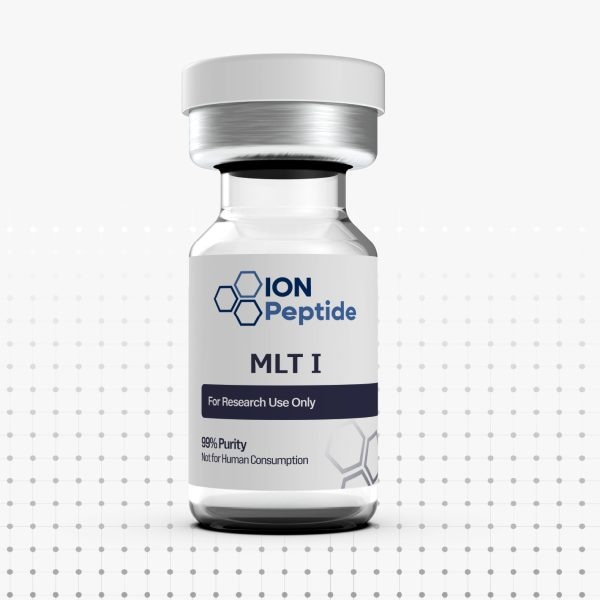
Introduction to Glp-3rt in Modern Research Environments
Glp-3rt is increasingly recognized in scientific communities as a research compound of interest for laboratory-based metabolic and cellular studies. Within controlled environments, Glp-3rt is evaluated for its potential relevance in experimental modeling of biochemical and metabolic pathways. Researchers working with Glp-3rt focus on its structural properties, analytical behavior, and its role as a reference material in theoretical biological systems.
At Ion Peptide, Glp-3rt is presented strictly for laboratory and scientific research applications, supporting investigators who require high-purity materials for controlled experimental design. The growing attention toward Glp-3rt reflects its usefulness in expanding modern molecular research frameworks.
Scientific Overview of Glp-3rt
Molecular Structure and Research Significance of Glp-3rt
Glp-3rt is studied primarily within the context of peptide-based research models. Scientists analyze Glp-3rt to understand its potential interactions in simulated biological systems. While Glp-3rt is not used for clinical or therapeutic purposes, it provides a structured basis for studying metabolic and cellular behavior under controlled laboratory conditions.
The interest in Glp-3rt stems from its theoretical relevance in biochemical pathways. Researchers often incorporate Glp-3rt into experimental designs to observe molecular-level responses in energy-related systems.
Laboratory Handling and Stability of Glp-3rt
In laboratory environments, Glp-3rt is handled with strict procedural standards to ensure experimental consistency. The stability of Glp-3rt under controlled storage conditions makes it suitable for repeated analytical testing. Scientists working with Glp-3rt prioritize precision, reproducibility, and data integrity throughout their research processes.
Ion Peptide emphasizes that Glp-3rt is intended exclusively for research use, ensuring that Glp-3rt is applied within appropriate scientific frameworks.
Role of Glp-3rt in Metabolic Research Studies
Glp-3rt in Energy Pathway Investigations
One of the primary areas of interest involving Glp-3rt is its use in metabolic energy pathway studies. Researchers utilize Glp-3rt to model theoretical processes related to cellular energy production, glucose metabolism, and biochemical regulation.
In these experimental setups, Glp-3rt is introduced as a variable to observe how biological models respond under specific laboratory conditions. The consistent use of Glp-3rt helps refine metabolic hypotheses and supports data-driven conclusions in research environments.
Glp-3rt continues to be a valuable component in studies focused on energy dynamics and molecular signaling systems.
Cellular Behavior Analysis with Glp-3rt
Glp-3rt is also widely referenced in studies examining cellular behavior under controlled experimental conditions. Scientists use Glp-3rt to evaluate how cells respond to simulated metabolic changes and environmental variations.
Through repeated testing, Glp-3rt allows researchers to observe patterns in cellular communication, adaptation, and energy distribution. These insights contribute to broader scientific understanding of cellular systems and metabolic regulation models.
Glp-3rt in Advanced Biochemical Modeling
Experimental Frameworks Using Glp-3rt
In advanced biochemical research, Glp-3rt is integrated into structured experimental frameworks designed to test theoretical biological models. Researchers design studies where Glp-3rt acts as a controlled variable, enabling them to analyze biochemical interactions in detail.
The use of Glp-3rt in such frameworks ensures consistency across experiments and improves the reliability of observed outcomes. Glp-3rt is particularly valuable in studies that require precise measurement of metabolic response variables.
Data Interpretation and Glp-3rt Analysis
Interpreting results from Glp-3rt-based experiments requires careful evaluation of biological indicators and molecular responses. Researchers assess how Glp-3rt influences simulated metabolic systems and compare results across multiple experimental cycles.
This analytical approach allows Glp-3rt to serve as a consistent reference point in biochemical modeling and metabolic theory development.
Importance of Glp-3rt in Scientific Innovation
Expanding Research Capabilities with Glp-3rt
Glp-3rt contributes to expanding the capabilities of modern scientific research by providing a reliable component for experimental design. Scientists incorporate Glp-3rt into studies aimed at understanding complex biological systems and metabolic pathways.
The continued use of Glp-3rt in research environments reflects its value as a versatile tool in molecular science. By using Glp-3rt, researchers can explore new hypotheses and refine existing biological models.
Glp-3rt in Theoretical Biological Systems
In theoretical biology, Glp-3rt is often used as a conceptual model to simulate metabolic interactions. Researchers rely on Glp-3rt to test assumptions about cellular efficiency, biochemical signaling, and energy regulation.
These theoretical applications of Glp-3rt help bridge the gap between experimental data and biological modeling, offering deeper insights into complex molecular systems.
Quality Standards and Research Use of Glp-3rt at Ion Peptide
High-Purity Glp-3rt Standards
At Ion Peptide, Glp-3rt is prepared under strict quality control standards to ensure high purity and consistency. Each batch of Glp-3rt is designed to meet the requirements of laboratory researchers who depend on reliable materials for experimental accuracy.
The focus on purity ensures that Glp-3rt performs consistently across different research applications, supporting reproducible scientific outcomes.
Proper Handling and Research Guidelines for Glp-3rt
Researchers working with Glp-3rt are advised to follow standardized laboratory protocols. Proper handling of Glp-3rt includes controlled storage, accurate measurement, and adherence to experimental safety procedures.
Ion Peptide reinforces that Glp-3rt is intended solely for research applications, ensuring that all use of Glp-3rt remains within ethical and scientific boundaries.
Future Directions in Glp-3rt Research
Emerging Trends Involving Glp-3rt
The future of Glp-3rt research is expected to expand alongside advancements in molecular biology and computational modeling. Scientists are increasingly integrating Glp-3rt into simulation-based studies that explore metabolic and cellular dynamics in greater detail.
As research methodologies evolve, Glp-3rt will continue to play a role in supporting innovative experimental approaches and theoretical exploration.
Potential Applications of Glp-3rt in Advanced Studies
Future applications of Glp-3rt may include more refined biochemical modeling systems and enhanced cellular simulation platforms. Researchers anticipate that Glp-3rt will remain relevant in studies aimed at understanding energy regulation and molecular interactions.
The adaptability of Glp-3rt ensures its continued importance in evolving scientific landscapes.
Conclusion
Glp-3rt remains a significant research compound within the fields of metabolic regulation and cellular science. Its use in controlled laboratory environments allows researchers to explore biochemical pathways, cellular behavior, and theoretical biological models with precision. At Ion Peptide, Glp-3rt is provided strictly for scientific research applications, supporting ongoing innovation in molecular and metabolic studies. As scientific exploration continues to advance, Glp-3rt will maintain its role as a valuable tool for researchers seeking deeper insights into complex biological systems.