The Art of the Photo Wall
Understanding Photo Walls
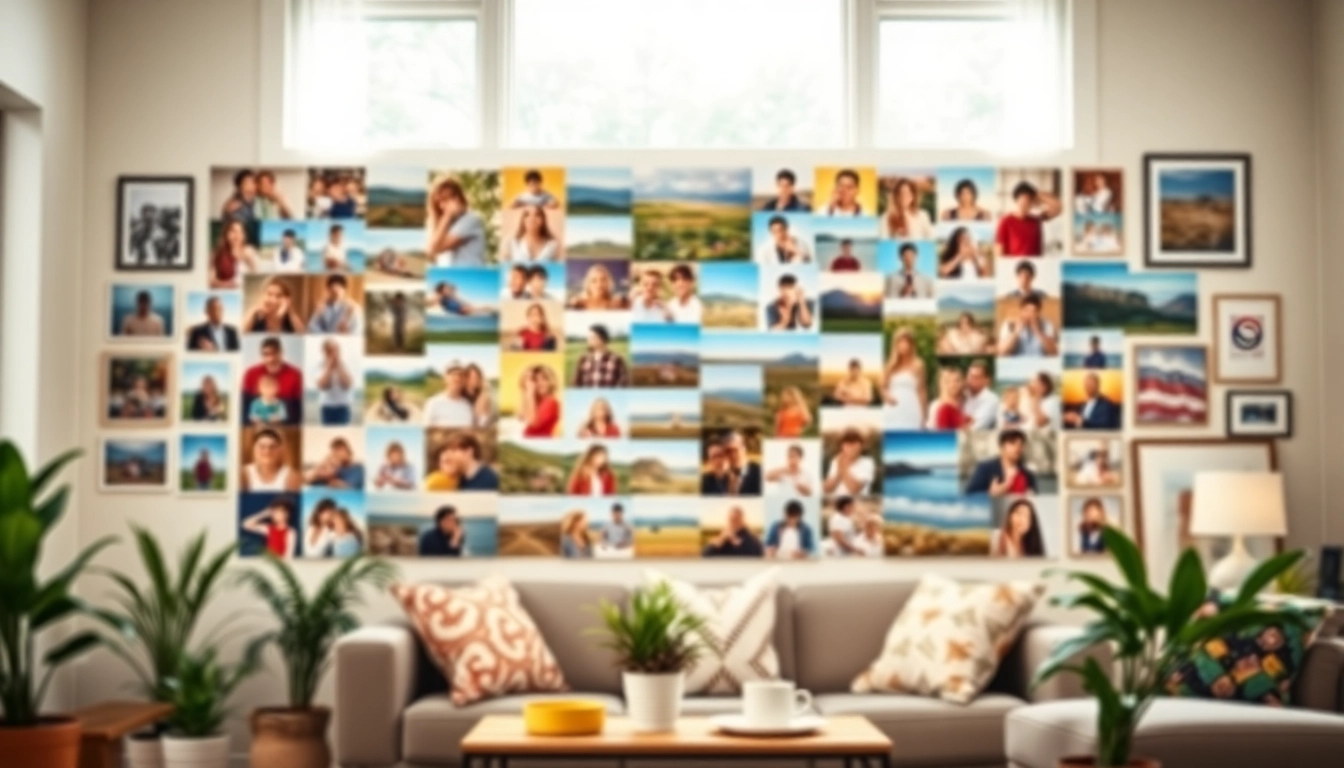
A photo wall serves as a personal gallery that showcases your memories, achievements, and artistic flair. This decorative approach has gained popularity in homes and workplaces as a creative way to express identity and sentiment. It transforms empty walls into visual narratives, telling a story through carefully curated photographs. Grasping the essence of a photo wall entails understanding its potential to evoke emotions and foster connections, making it crucial to approach the design with intention and thoughtfulness.
Popular Styles and Themes
Photo walls come in various styles and themes, allowing for personalized expression. Some popular styles include:
- Gallery Style: A sophisticated arrangement where photos of different sizes and frames are arranged symmetrically or asymmetrically for a striking visual effect.
- Collage Style: A vibrant mix of photos, often with varying themes and colors, creating a dynamic storytelling medium.
- Grid Style: Clean, uniform squares or rectangles provide a minimalist approach that promotes order and simplicity.
- Theme-based Walls: Biased towards particular themes like travel, family, or achievements that can be harmonized through subject matter and color.
Each style resonates with different aesthetics and personalities, making it essential to choose one that aligns with your vision and surrounding decor.
Benefits of Creating a Photo Wall
Creating a photo wall offers numerous benefits beyond mere decoration. Key advantages include:
- Personalization: It infuses character into space, allowing you to showcase your individuality and values.
- Conversation Starter: An engaging display sparks dialogue among visitors, promoting shared stories and connections.
- Emotional Connection: Displaying cherished memories can boost mood and create a warm, inviting atmosphere.
- Creative Outlet: Designing a photo wall encourages artistic expression and can be a fun project for individuals or families.
These benefits highlight the emotional and aesthetic value of a well-designed photo wall, enriching spaces and experiences.
Choosing the Right Location
Identifying the Best Spaces
Location is pivotal when designing your photo wall. Ideal spaces include:
- Living Rooms: High-traffic areas where family and friends gather make for excellent locations to display collective memories.
- Hallways: A long corridor can serve as a stunning gallery, allowing for an uninterrupted flow of visual interest.
- Home Offices: Personalizing your workspace motivates creativity and productivity, making it perfect for a focused photo wall.
- Bedrooms: Walls in personal spaces can reflect intimate moments and encourage comfort.
Carefully selecting a location enhances the visibility and impact of your photo wall, allowing it to contribute meaningfully to the environment.
Considering Lighting and Accessibility
Effective lighting can enhance the beauty of your photo wall. Key factors include:
- Natural Light: Consider spaces near windows to leverage daylight, creating an inviting atmosphere.
- Artificial Lighting: Use spotlights, picture lights, or wall sconces that illuminate the display without causing glare.
- Accessibility: Ensure the photo wall can be easily enjoyed by family and friends, considering heights that are viewable from various angles.
Thoughtful consideration of lighting and accessibility not only improves visibility but also enhances the overall ambiance of the space.
Measuring for Optimal Fit
Before installing your photo wall, precise measurements are essential. Follow these steps:
- Measure the wall space to determine how much area is available for your display.
- Envision the arrangement on the floor or using painter’s tape to outline locations on the wall before hanging.
- Account for frame sizes and spacing; leave sufficient room between pictures for a balanced appearance.
Taking these preliminary measurements guarantees a cohesive and intentional final layout.
Designing Your Photo Wall
Selecting Photos That Tell a Story
Your choice of images should narrate a cohesive story. Strategies for selection include:
- Choose photos that resonate with specific themes like travel, family milestones, or personal achievements.
- Incorporate a mix of candid and posed shots to evoke various emotions and memories.
- Consider the color palette, ensuring that images complement one another for a harmonious appearance.
A narrative through your selection creates deeper emotional connections for viewers, transforming the wall into a storytelling piece.
Arranging Your Photos Creatively
The arrangement of your photos can greatly influence the visual impact. Here are popular arrangements:
- Asymmetrical Designs: Mix different sizes and frames for an eclectic look that feels spontaneous.
- Symmetrical Designs: Create balance by grouping frames evenly, ideal for a more formal presentation.
- Ladder Arrangement: Stagger frames in a diagonal line for a playful, dynamic appearance.
Experimenting with arrangements on the floor can provide insights into the final display before committing to any layout.
Incorporating Additional Decor Elements
Enhancing the photo wall with decorative elements can elevate its overall impact. Consider:
- Quotes and Typography: Adding inspirational quotes printed or framed among the images can create a powerful effect.
- Plants or Natural Elements: Greenery can soften the visual edges and add dimension to your design.
- Artistic Displays: Incorporating varying textures, such as fabric, textiles, or three-dimensional objects can engage the senses.
The thoughtful integration of these elements adds depth, appealing to aesthetic senses while enhancing the narrative quality of the wall.
Frames and Materials
Types of Frames to Consider
Choosing the right frames is essential for a polished look. Here are types to consider:
- Classic Wood: Offers warmth and can complement various decor styles with natural finishes.
- Metal Frames: Ideal for a contemporary look, providing sleekness, especially in monochromatic schemes.
- Floating Frames: Creates an elegant, modern appearance, particularly effective for art prints and photographs.
- Vintage Frames: Adds character and charm, perfect for eclectic spaces filled with nostalgia.
The right choice of frames can harmonize with your overall interior design while providing a sturdy base for displayed images.
Materials for a Lasting Display
To ensure durability, the materials used in both frames and mounts are critical. Key materials include:
- Mat Board: Elevates photographs while providing added protection from dust and wear.
- Acrylic Glass: Lighter and less fragile than traditional glass, preventing shattering while maintaining clarity.
- Wood Backing: Offers stability and prevents warping over time, ideal for heavier frames.
Investing in quality materials will enhance longevity while maintaining the aesthetic integrity of the display.
Mixing Textures for Visual Interest
Creating a visually dynamic wall can be achieved by mixing textures and finishes. Consider these approaches:
- Combine matte and glossy frames for a striking contrast that draws attention to individual pieces.
- Introduce natural elements like driftwood frames alongside metallic accents to engage various senses.
- Consider layering elements, such as overlapping frames slightly to create depth without cluttering the space.
This exploration of textures not only enhances the visual appeal but also engages viewers emotionally by creating tactile associations.
Maintaining Your Photo Wall
Regular Updates and Refreshes
To keep the photo wall vibrant, regular refreshing is necessary. Implement these practices:
- Change out photos seasonally, introducing new memories while maintaining a sense of intrigue.
- Rotate older pictures with newer ones to keep the display feeling fresh and reflective of current experiences.
- Incorporate themed changes that align with holidays, seasons, or milestones that resonate with your family's journey.
Consistency in refreshes promotes engagement and keeps the wall relevant to both family dynamics and internal decor.
Cleaning and Preservation Tips
Maintaining the clarity and condition of photographs requires regular care. Consider these cleaning tips:
- Dust frames and surfaces gently using a microfiber cloth to prevent build-up without scratching.
- Avoid direct sunlight exposure to minimize fading and discoloration over time.
- For glass frames, use a streak-free cleaner to wipe down surfaces while avoiding moisture on edges.
Simple cleaning practices extend the life of the display while maintaining its visual appeal and emotional resonance.
Engaging Family and Friends in the Process
The act of creating and maintaining a photo wall can be significant for fostering relationships. Enhance engagement by:
- Involving family members in the selection and arrangement process to instill pride and shared ownership.
- Organizing moments around the wall, such as family gatherings or celebrations where stories are shared.
- Encouraging friends to contribute their favorite moments, creating a collaborative social artwork.
Involving loved ones fosters stronger connections while enriching the collective narrative of the displayed memories.
FAQs
What is a photo wall?
A photo wall is a decorative display that showcases photographs in an artistic arrangement, often reflecting personal memories and stories.
How do I choose photos for my photo wall?
Select photos that resonate with significant memories, complement each other visually, and tell a cohesive story or theme.
What styles are popular for photo walls?
Popular styles include gallery, collage, grid, and themed walls, each offering an opportunity for creative expression.
How can I maintain my photo wall?
Regularly update your photos, clean frames, and consider seasonal themes to keep the display fresh and engaging.
Is it necessary to use frames for a photo wall?
While frames enhance photo longevity and aesthetics, alternative methods like clips or washi tape can provide a trendy, casual display.