
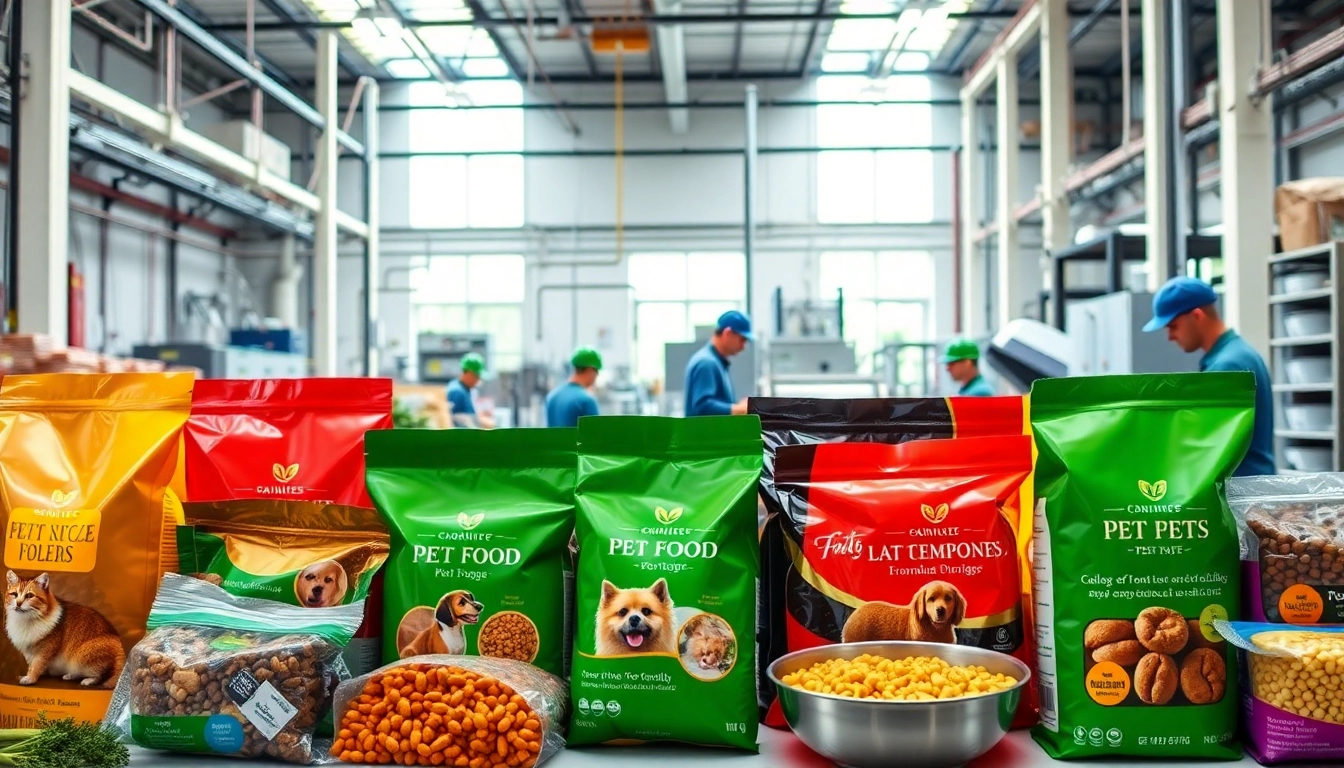
Understanding the Role of a Pet Food Packaging Company
In an industry that increasingly values sustainability, quality, and convenience, a pet food packaging company plays a vital role in shaping the way pet food products reach consumers. Packaging is not just a barrier to environmental contaminants; it serves as a marketer, protector, and essential component in the delivery of pet nourishment. This article delves into the multifaceted role of packaging in the pet food sector, exploring its types, choosing the right solutions, and the overarching importance of sustainability.
The Importance of Packaging in Pet Food
Despite being often overlooked, packaging is a cornerstone of the pet food industry. It ensures freshness, meets safety requirements, and conveys essential product information to consumers, including nutritional content and feeding instructions. Good packaging design can enhance brand visibility and consumer loyalty, leading to an increase in repeat customers. In many cases, the packaging is the first touchpoint consumers have with a product, making it a critical aspect of brand marketing.
Types of Pet Food Packaging Solutions
There is a diverse range of packaging options available for pet food, each offering specific benefits:
- Pouches: Flexible and lightweight, pouches are popular for dry and wet food, offering convenience and re-sealability.
- Bags: Multiwall paper bags, woven bags, and plastic bags are commonly used for dry kibble, providing durability and moisture resistance.
- Cans: Metal cans are often associated with wet pet food, providing excellent shelf life and protection from spoilage.
- Boxes: Cardboard boxes are eco-friendly and can be used for both packaging and shipping.
Choosing the Right Packaging for Your Products
Selecting the right packaging solution depends on several factors, including product type, shelf life, customer preferences, and sustainability goals. For example, a company producing organic pet food may choose eco-friendly materials to align with consumer values, while a brand focusing on cost may opt for simpler, less expensive packaging options. It's essential to consider the long-term impact of packaging decisions, as this affects not only the product's marketability but also its environmental footprint.
Sustainability in Pet Food Packaging
As consumers become more environmentally conscious, there is a growing demand for sustainable packaging solutions in the pet food market. Companies are tasked with not only meeting these demands but also innovating new materials and processes that align with eco-friendly practices.
Eco-Friendly Packaging Materials
Innovative materials like biodegradable plastics, recycled paper, and compostable films have emerged as viable options for pet food packaging. Biodegradable materials decompose naturally and reduce landfill waste, while recycled materials significantly lower new raw material consumption. Additionally, using sustainable inks and adhesives can enhance the overall environmental profile of packaging solutions.
Consumer Trends Towards Sustainability
Consumer behavior has shifted dramatically, with an increasing number of pet owners opting for products with a sustainability focus. Research indicates that consumers are willing to pay a premium for brands that exhibit environmental responsibility. This trend is crucial for marketers to note, as transparency regarding sustainable practices can appeal to a broader audience.
The Impact of Sustainable Practices on Pet Food Companies
Implementing sustainable packaging can enhance a company's brand image and appeal to eco-conscious consumers. Furthermore, it often comes with long-term cost savings, as energy-efficient manufacturing processes and eco-friendly materials can reduce production costs. However, companies must balance sustainability efforts with product integrity and government regulations, particularly around food safety.
Innovative Design Trends in Pet Food Packaging
The design of pet food packaging is continuously evolving, influenced by consumer preferences, market research, and technological advances. Here are some of the latest trends shaping the industry.
Functional Designs for Consumer Convenience
Modern consumers appreciate functionality in packaging, looking for features that enhance usability. Resealable bags, easy-pour spouts, and single-serving options improve convenience and minimize food waste. Additionally, tamper-evident seals not only ensure product integrity but also boost consumer confidence.
Attractive Marketing Strategies Through Packaging
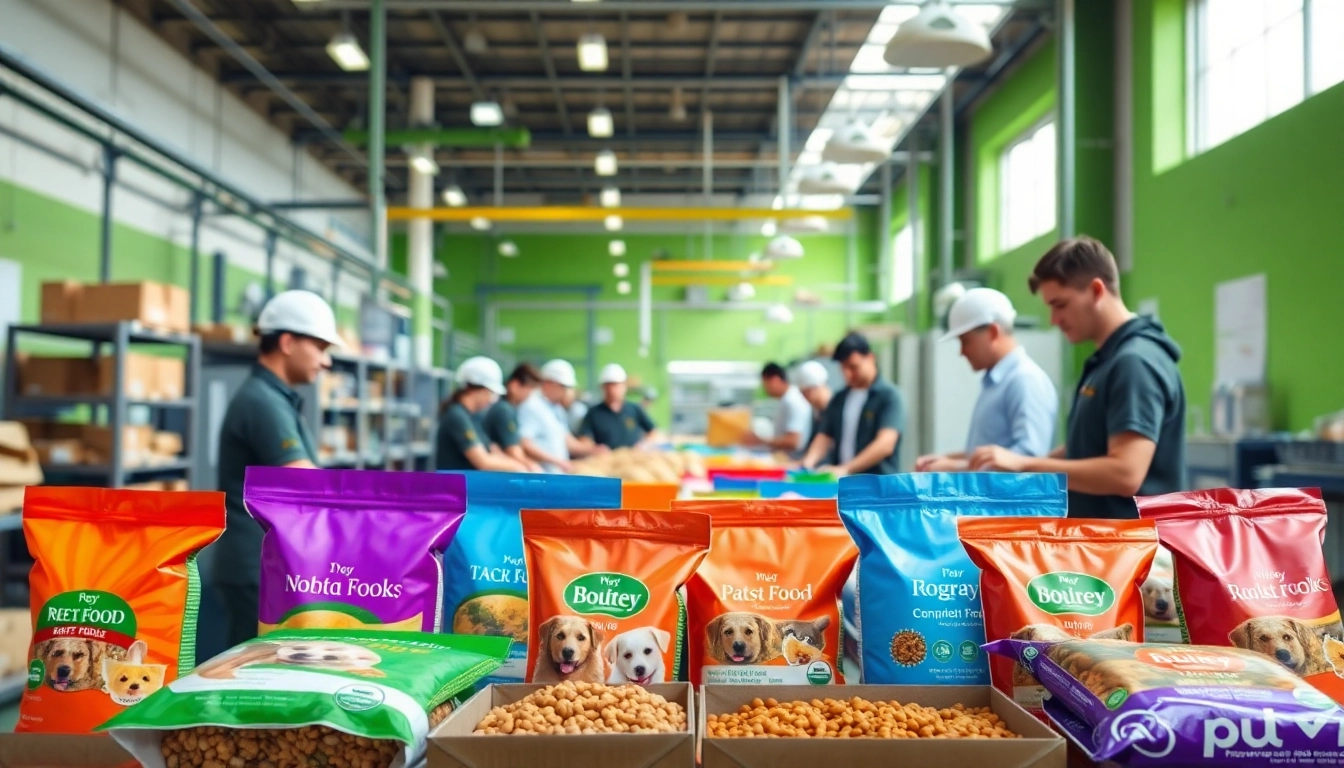
Attractive packaging has become a prominent marketing tool, with bold colors and eye-catching graphics designed to attract consumers' attention on store shelves. Many brands are incorporating unique shapes and interactive elements into their designs, creating a distinct shopping experience that stands out amidst competitors.
Custom Branding Options
Customization has gained traction, allowing companies to create unique packaging that resonates with their brand identity. Custom printing options enable brands to tell their stories and showcase their values effectively. Whether it’s through personalized messages or visually striking designs, brand differentiation in a crowded marketplace is paramount.
Regulatory Considerations for Pet Food Packaging
Pet food packaging must comply with various governmental regulations regarding safety, labeling, and consumer protection. Awareness of these regulations is crucial for any manufacturer aiming to build a reputable brand.
Labeling Requirements for Pet Food Products
Proper labeling is essential to communicate vital information about the product. Labels must include nutritional information, ingredient lists, and feeding guidelines while adhering to regulatory standards. Clear communication not only promotes transparency but also builds trust with consumers.
Safety Standards and Compliance
Adhering to safety standards ensures that packaging materials do not pose risks to pet health. Regulatory bodies may require material testing and certifications to ensure compliance with industry standards. Companies should stay updated on regulations to mitigate risks and maintain compliance.
The Role of Packaging in Food Safety
Packaging plays a critical role in preserving food safety by protecting products from cross-contamination and spoilage. High-quality packaging helps maintain the integrity of pet food throughout its shelf life, ensuring that pets consume safe and nutritious products.
Future of Pet Food Packaging
The future of pet food packaging is bright, with emerging technologies offering exciting prospects. Brands that adapt to changing consumer preferences and technological advancements will thrive in the evolving market landscape.
Emerging Technologies in Packaging
Technological innovations such as smart packaging, which incorporates QR codes and NFC chips, enable consumers to access product information conveniently. These technologies can enhance user experience while providing brands with valuable consumer data for targeted marketing strategies.
Predictions for Market Trends
The market for pet food packaging is expected to grow substantially as pet ownership rises and consumers demand higher quality products. Predictions indicate that distinctive, sustainable, and functional packaging solutions will become more prevalent, reinforcing the need for brands to innovate continuously.
Adapting to Consumer Demands
Understanding customer preferences and staying ahead of market trends is crucial. Companies must invest in consumer research and testing to refine their packaging solutions, ensuring they align with evolving preferences regarding aesthetics, functionality, and sustainability.
Frequently Asked Questions
What factors should I consider when choosing pet food packaging?
Consider product type, shelf life, consumer preferences, cost, and sustainability. Balancing these factors will ensure optimal solutions that meet market demands.
How can sustainable packaging benefit my pet food brand?
Sustainable packaging enhances brand image, appeals to eco-conscious consumers, and can lead to cost savings. It positions your brand as responsible and forward-thinking.
What are some common materials used in pet food packaging?
Common materials include flexible pouches, plastic bags, paperboard, and metal cans. Each material offers various benefits based on the product type.
What regulations should I be aware of regarding pet food packaging?
Be aware of labeling requirements, safety standards, and regulatory bodies that oversee food safety. Compliance protects your brand and ensures consumer trust.
How can innovative design impact my pet food packaging?
Innovative design can enhance usability, attract attention, and differentiate your brand. It can also improve customer experience and lead to increased loyalty.