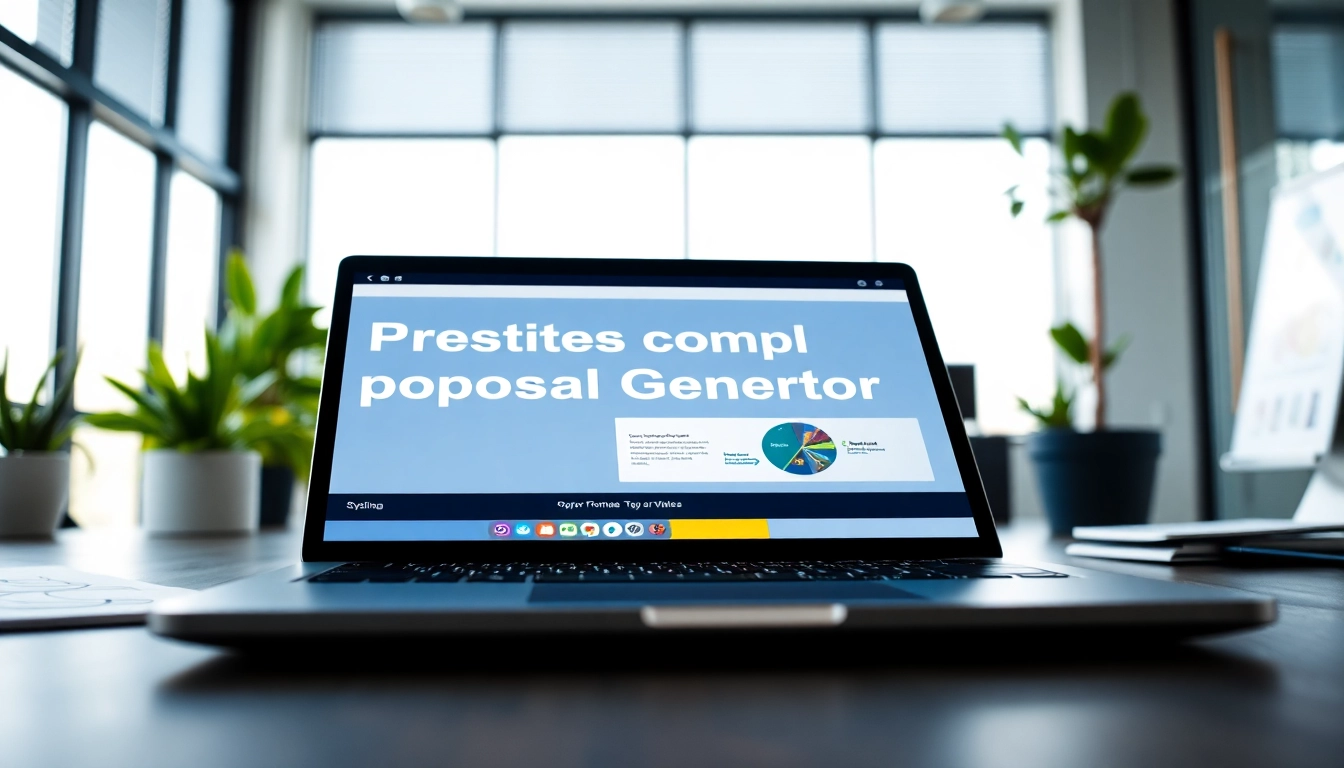
Understanding the Compliant Proposal Generator
What is a Compliant Proposal Generator?
A compliant proposal generator is a sophisticated tool designed to aid organizations in streamlining the proposal writing process while ensuring adherence to specific regulations and guidelines. By utilizing such technology, teams can automate various aspects of proposal generation, from drafting to compliance checking. This tool is particularly crucial in sectors where adherence to regulatory requirements is mandatory, such as government contracting and healthcare. The compliant proposal generator is instrumental in enhancing efficiency, boosting productivity, and increasing success rates in bid submissions.
How it Works
The functioning of a compliant proposal generator is underpinned by a suite of integrated technologies. At its core, the tool leverages artificial intelligence and machine learning algorithms to analyze request for proposal (RFP) documents, extract requirements, and generate initial drafts. It employs natural language processing (NLP) to understand context, providing users with relevant content suggestions tailored to specific sections of the proposal. This automated approach not only saves time but also mitigates human error, ensuring that every requirement is met with precision.
Benefits for Teams
The adoption of a compliant proposal generator can offer substantial benefits for teams. Primarily, it fosters collaboration among team members by providing a centralized platform for proposal creation and management. Furthermore, the ability to produce compliant drafts rapidly means teams can respond to more RFPs, thereby increasing their chances of winning contracts. Additionally, tracking changes and maintaining version control becomes simpler. Enhanced reporting capabilities can also provide insights into proposal performance, informing future strategies.
Key Features to Look For
Automated Compliance Checks
One of the hallmark features of a compliant proposal generator is its capacity for automated compliance checks. This functionality ensures that all document submissions adhere to the standards required by governing bodies or specific organizations. By integrating built-in compliance matrices, these tools can cross-reference proposal content against compliance checklists, highlighting any gaps before submission. This not only reduces the risk of rejections but also enhances overall proposal quality.
User-Friendly Interface
A user-friendly interface is critical for maximizing the value derived from any software tool. When selecting a compliant proposal generator, it is vital to opt for a platform that offers intuitive navigation and easy access to key functionalities. Features such as drag-and-drop capabilities, customizable dashboards, and tooltips can help streamline user experience, thereby promoting broader adoption among team members who may not be tech-savvy.
Customizable Templates
The availability of customizable templates is another feature that significantly enhances the functionality of compliant proposal generators. These templates provide a pre-structured layout that can be tailored to specific project needs or client requirements. By enabling users to modify elements like graphics, text content, and sections based upon particular standards or preferences, teams can ensure presentations are both compliant and visually appealing.
Implementation Strategies
Integrating with Existing Systems
For organizations looking to implement a compliant proposal generator, integrating with existing systems is paramount. The chosen tool should be compatible with current project management, financial, and document management systems. Seamless integration minimizes disruptions in workflow and ensures data consistency across platforms. Additionally, this can enhance reporting capabilities, as aggregated data from disparate systems can yield richer insights into performance metrics.
Training Your Team
Implementation without proper training may lead to underutilization of the compliant proposal generator's features. A comprehensive training program that addresses various user roles will empower team members to exploit the full capabilities of the tool. Mentorship sessions, video tutorials, and hands-on workshops can facilitate faster onboarding, creating a more confident and competent user base.
Measuring Success
Measuring the success of the compliant proposal generator can provide crucial insights into its effectiveness and areas for improvement. Metrics such as proposal win rates, average response times, and user satisfaction ratings can gauge how well the tool meets organizational goals. Establishing a feedback loop through regular surveys and performance reviews will ensure that the tool continues to evolve in alignment with user needs.
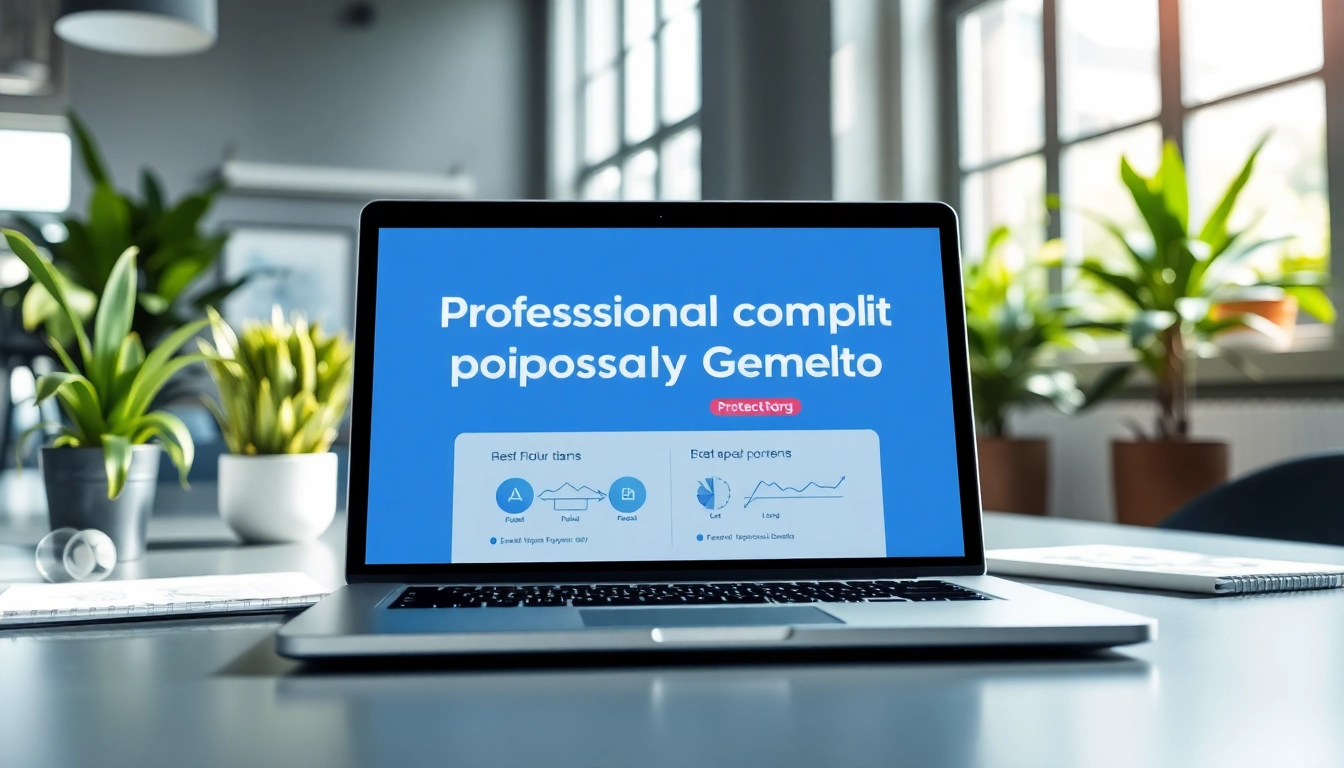
Common Challenges and Solutions
Overcoming Resistance to Change
One common challenge in adopting new technology is resistance to change among team members. To address this, it is essential to emphasize the benefits that the compliant proposal generator offers. Highlighting case studies of enhanced efficiency and successful contract wins can help to alleviate fears and build enthusiasm. Additionally, involving team members in the selection process can foster a sense of ownership and acceptance towards the tool.
Maintaining Document Quality
While automated tools aid in compliance and efficiency, there is always the risk of compromising document quality. To mitigate this, it is critical to establish a robust review process that includes peer evaluations and expert feedback on newly generated proposals. Continuous improvement efforts, such as refining template designs and incorporating team input, can also help ensure that documents maintain a high standard of quality.
Addressing Compliance Issues
Keeping up with constantly changing compliance standards can pose a challenge for teams. Regular updates to the compliant proposal generator's compliance checker can ensure that the tool reflects the latest requirements. Additionally, proactive communication with compliance experts within the organization can bridge knowledge gaps, ensuring that the proposals not only meet general quality standards but also specific regulatory obligations.
Future of Proposal Generation Technology
Trends in AI and Automation
The future of proposal generation technology is closely tied to advancements in artificial intelligence and automation. As these technologies evolve, we can expect improved functionalities like predictive analytics and enhanced natural language processing. These features will empower teams to not only respond to RFPs more effectively but also to anticipate client needs, subsequently increasing the quality of proposals. Automated insights based on historical data could provide valuable foresight into the types of modifications that yield the highest success rates.
The Rise of Collaboration Tools
With the increasing demand for remote work and collaboration, future compliant proposal generators will also likely incorporate enhanced teamwork features. These tools will facilitate real-time collaboration, allowing team members to work concurrently on documents, share comments, and make suggestions seamlessly. This coordinated approach not only boosts team morale but also fosters an environment of shared accountability for proposal success.
Preparing for Upcoming Changes
As trends in both the workforce and technology landscape shift, teams must remain agile and adaptive. Regular training sessions, open forums for discussing challenges in the proposal process, and continuous exploration of new software functionalities can help organizations stay ahead of the curve. Encouraging a culture of innovation around proposal generation will position teams to thrive amidst future changes in technology and regulatory environments.
Frequently Asked Questions
What is the main function of a compliant proposal generator?
The primary function of a compliant proposal generator is to streamline the proposal writing process while ensuring compliance with relevant standards and guidelines.
How does automated compliance work?
Automated compliance checks analyze proposal content against established criteria, identifying gaps and ensuring that all required regulations are addressed.
Can a compliant proposal generator enhance team collaboration?
Yes, these tools facilitate collaborative efforts by providing a unified platform for team members to create, edit, and review proposals together in real time.
What metrics should be tracked to measure success?
Key metrics include proposal win rates, response times, user satisfaction, and compliance accuracy to evaluate tool effectiveness and team performance.
How can challenges in document quality be mitigated?
Implementing a rigorous review process and incorporating feedback mechanisms can help ensure that generated proposals maintain high quality and meet standards.