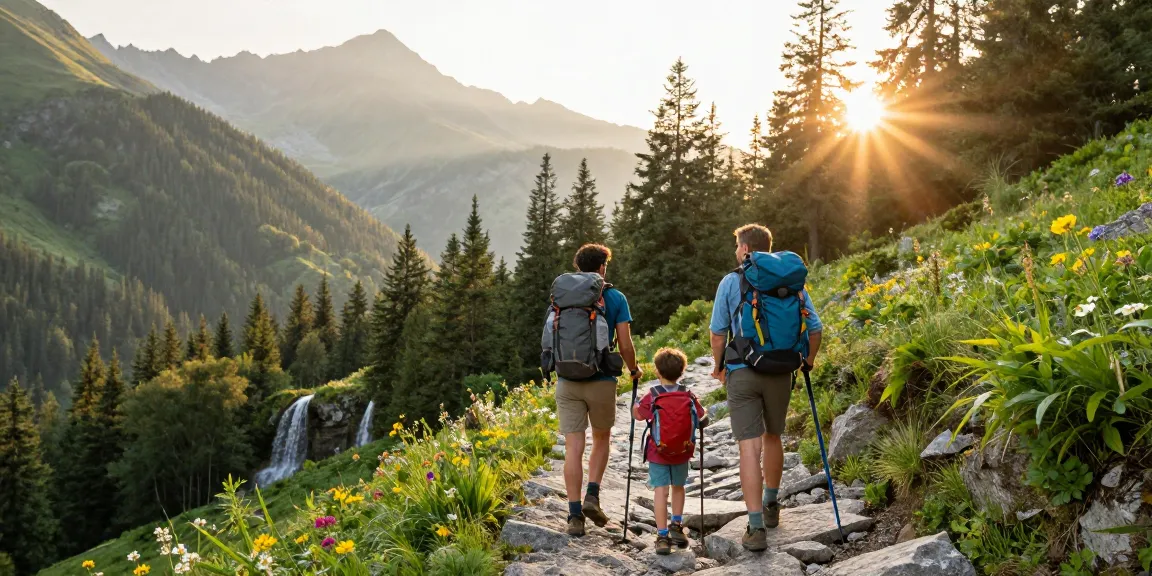
Understanding Family Adventures
Family adventures can be transformative experiences that forge stronger bonds, create lifelong memories, and provide essential lessons in teamwork, resilience, and appreciation for nature. In today’s busy world, engaging in outdoor activities as a family is not just fun but essential for physical and mental well-being. Whether it’s hiking, camping, or exploring new destinations, these adventures allow families to connect and learn together. For those looking for comprehensive insights into planning such adventures, thatmountainlife.com is an excellent resource for tips and inspiration.
What Makes Family Adventures Special?
Family adventures are special because they present unique opportunities for bonding. During these outings, families escape the distractions of daily life, allowing them to engage with one another in a meaningful way. The immersive experience of exploring new places together fosters communication and cooperation, essential skills that parents can instill in their children. Additionally, the shared challenges faced during family adventures, such as navigating tough trails or overcoming fears, can bring families closer together.
Benefits of Outdoor Activities for Families
The benefits of outdoor activities extend beyond physical fitness. Engaging in nature has been shown to reduce stress, improve mood, and enhance overall mental health for all family members. Furthermore, participating in outdoor adventures builds life skills such as problem-solving, perseverance, and adaptability. Children learn to appreciate the environment and develop a sense of responsibility towards nature, which is crucial in nurturing future generations who value conservation.
Choosing the Right Adventure Destination
Selecting the right destination for family adventures is critical. Factors like the age of children, fitness levels, and interests should guide your choice. Some families may prefer tranquil lakeside retreats, while others might seek the thrill of mountain trails. It’s also essential to consider accessibility and the availability of family-friendly amenities, such as restrooms and picnic areas.
Planning Your Family Adventure
Effective planning is the backbone of any successful family outing. Preparing ahead of time ensures that everyone knows what to expect, which can alleviate anxiety, particularly for younger family members. Prior to setting off, consider crafting a detailed itinerary that includes activities planned for each day, meal options, and travel routes.
Essential Gear for Family Hiking
Investing in the right gear is essential for ensuring family safety and comfort during hikes. Essential items include sturdy footwear, weather-appropriate clothing, and backpacks equipped with water, snacks, first-aid kits, and navigation tools. Additionally, consider bringing portable chargers for devices if you plan on taking pictures or using apps for navigation.
Choosing Family-Friendly Trails
When selecting hiking trails, prioritize those labeled as family-friendly. These trails are typically shorter, well-marked, and designed to accommodate varying skill levels. Look for trails with interesting features, such as waterfalls or wildlife, to keep children engaged. Many parks also offer educational programs that can enhance the adventure and provide fun learning opportunities.
Budgeting for Adventure Experiences
Budgeting is a crucial aspect of planning family adventures. Consider all potential expenses, including transportation, food, accommodation, and activity fees. Many families find it helpful to set aside a specific amount each month dedicated to adventure expenses. Exploring free or low-cost activities can also help manage your budget while still providing exciting experiences for everyone.
Safety Considerations on Outdoor Adventures
Safety cannot be overlooked when engaging in outdoor adventures with family. Establishing protocols and being prepared can significantly lower the risk of accidents. Ensure that everyone in the family knows basic safety rules and feels comfortable expressing concerns during the adventure.
Understanding Safety Protocols
Implementing safety protocols starts with educating everyone about the risks associated with outdoor activities. Discuss potential hazards such as wildlife encounters, steep terrain, and sudden weather changes. Teaching children how to respond in emergencies, including what to do if someone gets lost, is vital for instilling confidence and responsibility.
Emergency Preparedness for Families
Preparing for emergencies involves having a first-aid kit, a map of the area, and a communication plan in place. Families should also familiarize themselves with the nearest medical facilities and emergency contact numbers. Consider developing a family code word that can be used during outings to signal if someone feels uncomfortable or wants to regroup, promoting an environment of open communication.
Common Risks and How to Mitigate Them
Common risks during outdoor activities include dehydration, exhaustion, and inappropriate gear use. To mitigate these risks, ensure everyone stays hydrated by carrying ample water, take regular breaks, and encourage children to communicate when they’re feeling tired. Teaching children how to properly use their gear can prevent injuries and ensure everyone has a positive experience.
Engaging Children in Outdoor Activities
Involving children in outdoor adventures can help foster a love for nature and exploration from a young age. The key is to make activities fun and educational, ensuring that children feel included in the planning process.
Fun Activities to Keep Kids Interested
To keep children engaged, consider integrating games into outdoor activities, such as scavenger hunts or nature bingo. These games can enhance their observational skills and provide an opportunity for them to learn about the environment in a playful manner. Incorporating technology, like nature identification apps, can also make the experience more interactive.
The Role of Education in Outdoor Adventures
Outdoor adventures provide an excellent platform for education. Parents can use these experiences to teach children about ecology, geography, and history. For instance, discussing local wildlife, plant species, or geological formations creates a deeper appreciation for the world around them, making learning enjoyable and relevant.
Creating Lasting Memories Through Engagement
Encouraging children to document their adventures through journaling or photography can create lasting memories. Discussing experiences around a campfire or during family meetings afterward allows everyone to share their perspectives, creating a richer family narrative that can be cherished for years.
Future of Family Outdoor Adventures
As we look to the future, family outdoor adventures continue to evolve, influenced by changing societal norms and advancements in technology. Here, we explore emerging trends that are expected to shape outdoor experiences for families in the coming years.
Trends to Watch for in 2026
Virtual reality (VR) and augmented reality (AR) are transforming how families engage with nature. These technologies can provide immersive experiences that educate and entertain. For example, AR apps can enhance a hike by overlaying information about flora and fauna. Moreover, sustainable tourism trends will encourage families to prioritize eco-friendly practices while exploring.
Technological Advancements Enhancing Outdoor Experiences
Technology is undeniably changing outdoor adventures. Apps that aid in navigation, provide weather updates, and offer trail information can enhance safety and enjoyment for families. Wearable technology, such as fitness trackers, can also motivate families to stay active and monitor their health during excursions.
Eco-Friendly Practices for Family Adventures
With increasing awareness of environmental impacts, eco-friendly practices are becoming essential for family adventures. Simple actions like packing out what you pack in, recycling, and choosing sustainable transportation can make a significant difference. Educating children about their impact on nature instills a sense of stewardship towards the environment.
What Should You Pack for a Family Adventure?
Packing for a family adventure involves careful consideration of each family member's needs. Essentials include clothing appropriate for the weather, nutritious snacks, hydration solutions, and safety gear. A well-stocked first-aid kit and emergency supplies are also critical. It's advisable to create a checklist before packing to ensure nothing is forgotten.
How to Plan a Last-Minute Family Adventure?
Planning a last-minute adventure can be spontaneous and exciting! Start by checking local parks or attractions for availability. Utilize online resources to find free or low-cost activities. Prepare a simple pack of essentials, and don’t forget to prioritize flexibility, as some of the best adventures come from unplanned moments.
What are the Best Adventure Destinations in 2026?
As we enter 2026, numerous adventure destinations stand out for families. National parks, such as Yellowstone or Yosemite, remain iconic options, while lesser-known parks like Lassen Volcanic National Park offer breathtaking landscapes with fewer crowds. Local state parks also offer rich experiences, making them convenient choices for family outings.
How to Involve Kids in Planning Family Adventures?
Involving children in the planning process can make adventures more enjoyable. Encourage them to research potential destinations and suggest activities they would like to try. Providing options creates a sense of ownership in the adventure, making them more excited about the outing.
What Safety Gear is Essential for Family Hikes?
Essential safety gear for family hikes includes sturdy footwear, sun protection, insect repellent, and a well-packed first-aid kit. Additionally, having navigation tools, such as a compass or GPS device, is vital for staying oriented, especially in unfamiliar territories. Ensuring every family member is equipped with gear appropriate for their age and skill level promotes safety and confidence.