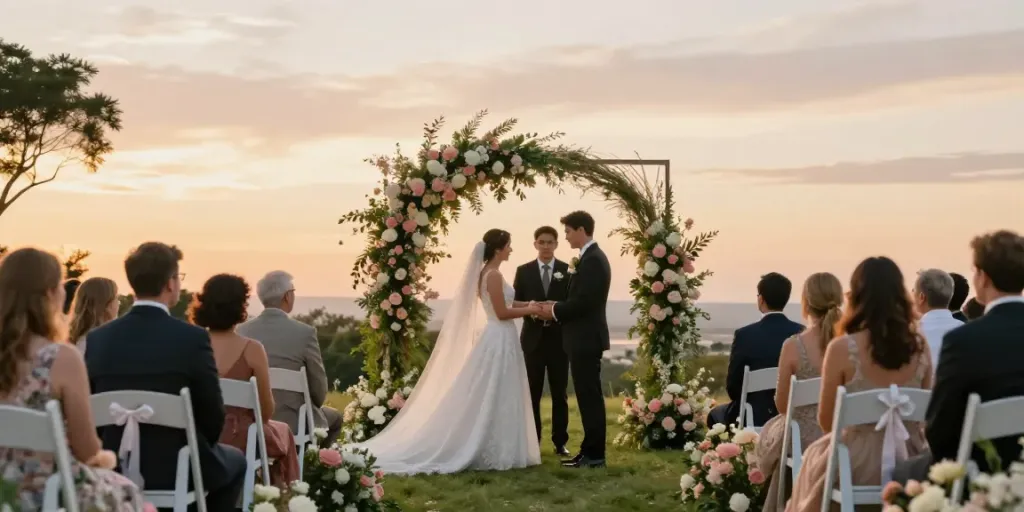
Understanding the Wedding Planning Checklist
Planning a wedding can be an exhilarating yet daunting task, as it involves numerous details, deadlines, and decisions. To help streamline this process, a wedding planning checklist becomes essential for ensuring that no critical aspect is overlooked. This article aims to provide you with a thorough understanding of what a wedding planning checklist entails, why it's crucial, and how to customize it based on your unique needs.
What is a Wedding Planning Checklist?
A wedding planning checklist is a comprehensive guide that outlines all the tasks and timeline associated with organizing a wedding. It typically includes arrangements for venue selection, guest management, catering, décor, vendor coordination, and various legal necessities required for tying the knot. The checklist acts as a roadmap, helping couples stay on track and organized throughout the planning process.
Why You Need a Comprehensive Checklist
Having a detailed wedding planning checklist is beneficial for several reasons:
- Organization: It helps you break down your wedding plans into manageable tasks, making it easier to track progress.
- Accountability: A checklist can serve as a commitment tool; it keeps you accountable to your timeline and goals.
- Stress Reduction: By having a clear plan, you can alleviate the pressure and anxiety related to wedding planning.
- Resource Management: You can prioritize your budget and resources effectively by tracking what needs to be done and when.
Common Misconceptions About Wedding Planning
Many couples have misunderstandings about what wedding planning entails. Some common misconceptions include:
- It's only about the wedding day: While the day itself is important, the planning process starts months—if not years—prior.
- You can do it all alone: Involving family and friends can lighten the load and bring in fresh ideas.
- It’s all about the budget: While finances are crucial, creativity can often lead to memorable and unique solutions without breaking the bank.
Key Components of a Wedding Planning Checklist
Essential Tasks to Include
Your wedding planning checklist should cover a wide array of tasks. Here are some fundamental elements to incorporate:
- Venue Booking: Choose and secure your venue as early as possible, ensuring it aligns with your theme and guest size.
- Guest List: Create your guest list, gather addresses, and send out invitations on time.
- Catering: Decide on your menu, including tastings and dietary considerations.
- Vendor Contracts: Research and negotiate with vendors for photography, entertainment, flowers, and more.
- Legal Requirements: Don't forget to apply for a marriage license and any other legal documents needed.
Timeline for Each Task
Establishing a timeline for each task is crucial. Begin by outlining tasks according to their urgency, with some requiring months of preparation, while others can be finalized closer to the wedding date. Here’s a basic timeline to consider:
- 12 Months Out: Engagement announcements, venue selection, vendor research.
- 6-9 Months Out: Finalize guest list, book vendors, order dress/suits.
- 3 Months Out: Confirm details with vendors, schedule fittings, start planning seating arrangements.
- 1 Month Out: Send out final reminders to guests, conduct detailed checks with vendors.
- 1 Week Out: Confirm timeline with officiant, review all details with the wedding party.
Vendor Coordination and Contracts
Coordinating with vendors is a fundamental aspect of wedding planning. Ensure each vendor is clear on their roles and responsibilities. Create a system where contracts are reviewed thoroughly to mitigate any misunderstandings, and discuss contingency plans in case of unexpected changes, like weather disruptions or last-minute cancellations.
Tips for Customizing Your Wedding Planning Checklist
Adapting to Different Wedding Styles
Your wedding style—be it traditional, beach, or garden—will influence the tasks on your checklist. For example, a beach wedding may require additional considerations for permits and decor that withstand wind and sand. Thus, adapt your checklist by adding elements that correlate with your chosen theme.
Incorporating Cultural Traditions
Many couples wish to honor their cultural backgrounds during their wedding. Consider adding specific traditions to your checklist, such as ceremonial practices or cultural attire, which may require additional planning time or budgeting.
Personalizing the Checklist for Your Needs
Everyone's wedding journey is unique. Customizing your checklist allows you to reflect personal preferences, priorities, and special details that are meaningful to you and your partner. Don’t hesitate to remove tasks that don’t resonate with your vision.
Tools and Resources to Enhance Your Planning
Apps and Software for Wedding Planning
In the digital age, numerous apps and tools are available to assist with wedding planning. Some popular options include:
- The Knot: This app offers a wedding planning checklist, budget tracking, and even a guest list manager.
- WeddingWire: Useful for vendor research and managing RSVPs.
- Google Sheets: A customizable and collaborative tool that can serve as your checklist and budget tracker.
Printable and Digital Checklists
Many websites offer printable checklists that can be tailored to your needs. Having a hard copy can be beneficial for those who prefer to physically check off tasks. Alternatively, digital versions allow for easier updates and sharing with your partner or planning team.
Real-Life Examples and Case Studies
Draw inspiration from real couples who have successfully navigated their wedding planning. Websites like The Knot and WeddingWire provide personal stories and step-by-step guides that can serve as case studies to refine your planning approach.
Future Trends in Wedding Planning for 2026
Emerging Styles and Themes
The wedding landscape continues to evolve, with new styles emerging each year. In 2026, expect to see more minimalistic designs, eco-friendly weddings, and personalized guest experiences that reflect couples' personalities.
Technology's Role in Modern Weddings
Technology is increasingly being integrated into weddings. Virtual invitations, live-streaming ceremonies, and drone photography are gaining popularity, making weddings more accessible and unique.
Expert Insights and Predictions
Wedding planners emphasize the importance of personalization in the upcoming years. Couples are encouraged to focus on creating unique experiences, rather than solely adhering to traditional norms. Expect to witness more DIY elements and personalized décor that tells the couple's love story.
FAQs About Wedding Planning
What Should I Include on My Wedding Planning Checklist?
Include essential tasks, budget considerations, vendor details, and timelines to ensure comprehensive planning. Remember to tailor it to your personal preferences and style.
Is $5000 a Good Budget for a Wedding?
While $5000 can be feasible, especially for smaller weddings, it typically requires prioritization and creative strategies to achieve a beautiful event within this budget.
What is the Groom's Mom Responsible For?
The groom's mother traditionally assists with various tasks, such as planning the rehearsal dinner and helping coordinate details with family. For more information, wedding planning tips offers valuable insights. However, roles may vary based on individual family dynamics and preferences.