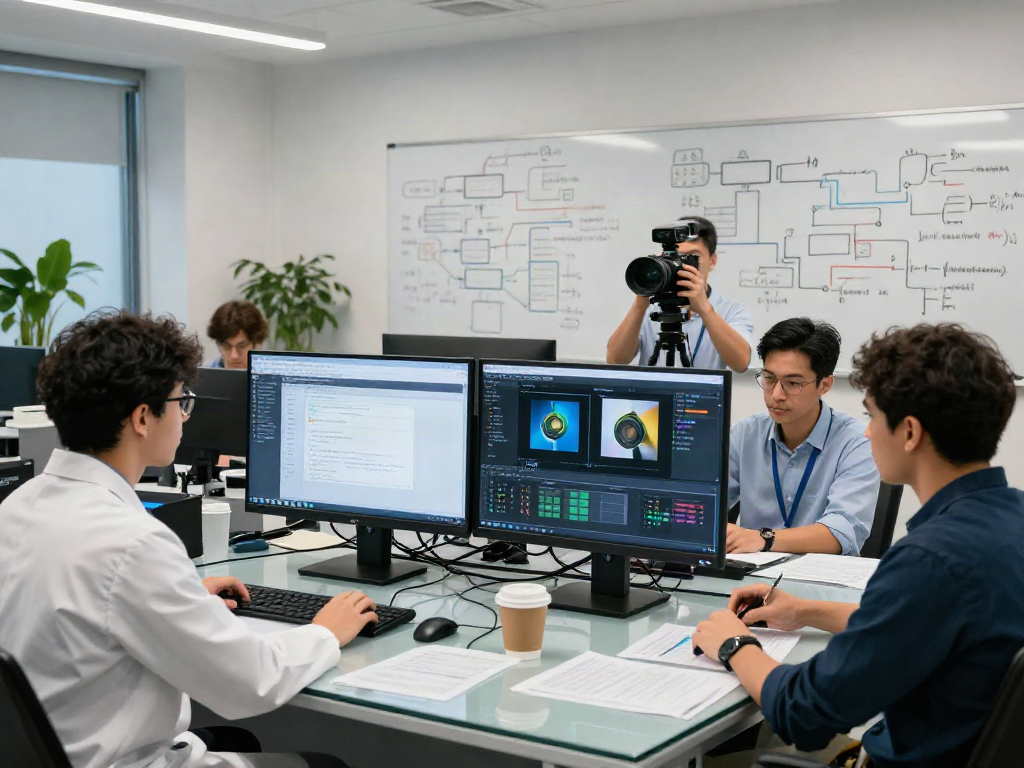
Understanding AI Image Detection Technology
In a digital age where visuals dominate our media landscape, the ability to discern authentic images from those generated or manipulated by artificial intelligence (AI) is more critical than ever. The emergence of AI image detection technology allows us to identify whether an image has been created by algorithms such as DALL·E, Stable Diffusion, or others. This technology not only aids creators and journalists but also plays a pivotal role in combating misinformation campaigns and safeguarding digital integrity. When exploring options, AI Image Detector provides comprehensive insights into identifying AI-generated images.
What is an AI Image Detector?
An AI Image Detector is a specialized tool designed to analyze and identify whether an image has been created using AI technology. These detectors utilize machine learning algorithms trained on large datasets of both AI-generated and real images. By recognizing patterns that distinguish synthetic visuals from authentic ones, these tools can effectively flag images that may mislead viewers or misrepresent reality.
The Evolution of Image Detection Algorithms
The journey of image detection technology has witnessed transformative advancements over the years. Initially, simple algorithms focused on basic pixel analysis, but as AI technology has matured, so too have detection methods. Today's image detectors leverage deep learning techniques, enabling them to understand complex visual cues and context, resulting in higher accuracy rates.
How AI Image Detectors Work Mechanically
Mechanically, AI image detectors function through a series of processes that include image input, feature extraction, and classification. The first step involves feeding the detector an image for analysis. The tool then utilizes convolutional neural networks (CNNs) to extract features like shapes, textures, and colors. Finally, these features are processed to determine the likelihood that the image is AI-generated or real, often providing a confidence score alongside the classification results.
Applications of AI Image Detectors
AI image detectors find applications across various fields, helping improve the accuracy and credibility of digital media. Their versatility allows for utilization in journalism, social media, marketing, and even personal security.
Identifying AI-Generated Images in Media
In media organizations, AI image detectors serve as critical tools for verifying the authenticity of images before publication. Journalists can use these detectors to ensure that the content they share is genuine, thus maintaining trust with their audience and countering the proliferation of fake news. This capability is essential in a climate where image manipulation can easily mislead public perception.
Use Cases Across Different Industries
- Marketing: Brands can ensure the authenticity of images used in campaigns, avoiding any backlash from misleading visuals.
- Social Media: Platforms can integrate AI detectors to flag fake or manipulated images, promoting a healthier online environment.
- Healthcare: In medical imaging, AI detectors can analyze images for authenticity, crucial in maintaining the integrity of diagnoses.
- Legal: Law professionals can employ image detectors to verify evidence and photographs presented in court, enhancing the reliability of cases.
Implications for Digital Security and Authenticity
The implications of AI image detection are significant for digital security and authenticity. As deepfakes and AI-generated content become increasingly sophisticated, the ability to discern real from fake will be paramount in various sectors, from politics to finance. Organizations must adopt AI image detectors to protect their reputations and ensure compliance with regulations surrounding digital media.
Best Practices for Implementing AI Image Detection
Incorporating AI image detection technology into business workflows requires strategic planning and training. To maximize the efficiency and effectiveness of these tools, it's essential to follow best practices tailored to organizational needs.
Choosing the Right AI Image Detection Tool
When selecting an AI image detector, organizations should consider factors such as accuracy, speed, user interface, and integration capabilities. It’s beneficial to explore tools that provide real-time analysis and have been tested across multiple scenarios, ensuring their reliability in diverse applications.
Integrating AI Detectors into Existing Workflows
Integration should be seamless to maximize the impact of AI image detectors. Organizations can embed these tools within content management systems or social media platforms, allowing for automatic scanning of uploaded visuals. This not only saves time but also promotes a culture of authenticity by making verification processes routine.
Training Your Team on Effective Usage
To achieve optimal outcomes, teams must be adequately trained in using AI image detection tools. Providing hands-on workshops and comprehensive resources can empower staff to leverage these technologies effectively, ensuring that they understand the importance of image verification in their specific roles.
Challenges and Misconceptions About AI Image Detection
Despite the sophisticated nature of AI image detectors, misconceptions and challenges persist. Addressing these can help organizations better navigate the complexities of image verification technology.
Common Myths about AI Image Detectors
One common myth is that AI image detectors are completely infallible. While these tools are highly advanced, they are not immune to errors, particularly with images that are expertly manipulated or poorly generated. Understanding these limitations is crucial for users to set realistic expectations.
Limitations of Current Technology
Current AI image detectors may struggle with images that blend AI and real elements. Furthermore, as AI technology continues to evolve, cybercriminals may develop new methods to circumvent detection, necessitating ongoing improvements in detection algorithms.
How to Overcome Implementation Challenges
Organizations can overcome challenges by continuously updating their detection tools and training programs. Staying informed about technological advancements and emerging threats can enhance the effectiveness of image detection strategies.
The Future of AI Image Detection in 2026
As technology progresses towards 2026, we can anticipate remarkable changes in AI image detection, driven by innovation and regulatory developments.
Emerging Trends in AI Image Detection Technology
Future trends may include the incorporation of more advanced neural networks and increased reliance on big data analytics to enhance accuracy. Expect improvements in user experience, with more intuitive interfaces and automated verification processes becoming standard in AI image detection tools.
Potential Innovations and Their Impacts
Innovations in AI image detection could revolutionize media consumption and digital communication. For instance, real-time insights could empower users to verify content at a glance, fostering a more informed public and reducing the spread of misinformation.
Preparing for New Developments in AI Regulation
As AI technologies evolve, so too will regulations governing their use. Organizations should anticipate regulatory changes and prepare to adapt their operations and compliance practices accordingly, ensuring that their image detection protocols align with legal standards.
What are the main uses of AI image detectors?
AI image detectors are primarily used in media verification, social media monitoring, marketing authenticity checks, and legal evidence examination.
How accurate are AI image detectors?
The accuracy of AI image detectors varies depending on the model and the quality of the training data. Typically, leading tools report accuracy rates exceeding 90% when analyzing straightforward cases, though performance may decrease with more complex images.
What industries benefit the most from AI image detection?
Industries such as journalism, entertainment, marketing, security, and law greatly benefit from AI image detection, as they rely on the credibility of visual content for their operations.
Can AI image detectors be integrated with other technologies?
Yes, AI image detectors can be integrated with various technologies, including content management systems, social media platforms, and security protocols, to enhance overall data integrity and verification processes.
What should businesses consider when choosing an AI image detector?
Businesses should evaluate factors like system compatibility, user-friendliness, accuracy rates, and the types of images the tool can analyze before selecting an appropriate AI image detector.