The Importance of Screen-Free Play
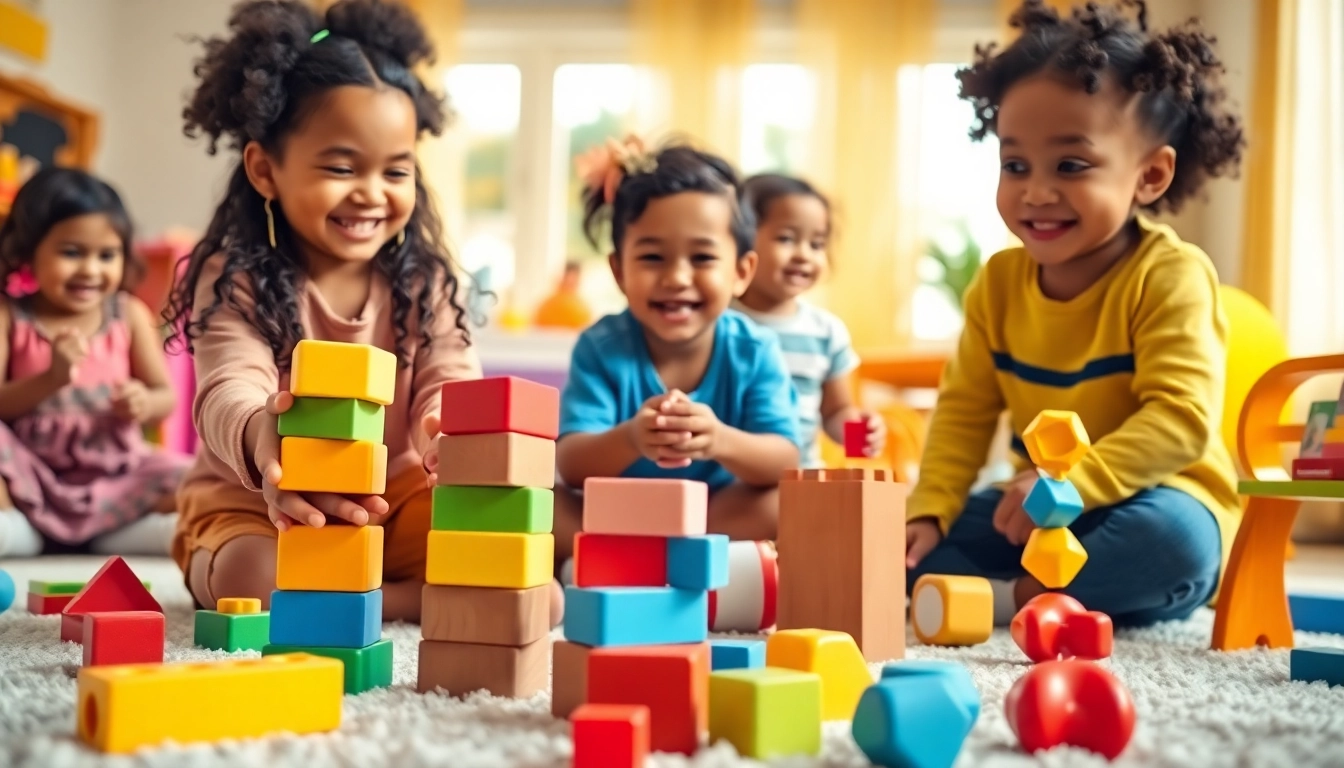
In an age dominated by technology, ensuring children engage in screen-free play is crucial for their holistic development. Screen-free toys not only foster creativity but also encourage children to explore their environment and develop essential life skills. For those seeking insightful ideas and recommendations, visit the website for an extensive list of toys that emphasize fine motor skills and building activities.
Benefits for Child Development
Screen-free play provides significant benefits in several domains of child development. Firstly, it enhances cognitive abilities through engaging, hands-on manipulation of toys. When children build, sort, or construct, they develop problem-solving skills and critical thinking abilities. Moreover, tactile experiences are vital; they help children understand physics concepts, cause and effect, and environmental interactions.
Social skills are another critical aspect of development supported by screen-free play. When children engage with peers or siblings through cooperative play, they learn negotiation, teamwork, and conflict resolution. These skills are necessary not just for academic success but for personal relationships throughout life.
Enhancing Creativity and Imagination
Creativity is often described as the ability to generate new ideas or concepts. Screen-free toys, especially those that allow open-ended play, significantly enhance this trait in children. Toys like building blocks or art supplies foster a child's ability to think divergently. When children are given the freedom to create and construct, they engage their imaginations, producing unique structures or art that represents their inner world.
Physical Development through Play
Physical development is directly linked to screen-free play. Manipulating toys that require fine motor skills, such as puzzles or construction sets, strengthens hand-eye coordination and dexterity. These skills are essential for everyday tasks such as writing, tying shoelaces, and self-care activities. Furthermore, outdoor screen-free play promotes gross motor skills as children run, jump, and explore their surroundings.
Top Screen-Free Toys for Fine Motor Skills
Building Blocks and Construction Sets
Building blocks and construction sets are timeless toys that encourage fine motor development. Through stacking, aligning, and balancing pieces, children enhance their hand strength and coordination. Blocks also provide an opportunity for mathematical thinking as kids learn about symmetry, dimensions, and balance.
Different sets cater to various age groups, from simple wooden blocks for toddlers to complex modular sets for older children. These toys also inspire creative thinking as children build structures limited only by their imagination.
Puzzles and Matching Games
Puzzles are excellent for developing cognitive skills while simultaneously improving fine motor skills. As children manipulate different pieces to complete an image, they practice spatial awareness and problem-solving. Matching games enhance cognitive function and memory retention while promoting fine motor precision as children pick up and place pieces accurately.
The variety of themes available in puzzles and matching games ensures that there is something for everyone, catering to a multitude of interests—from animals to geography.
Hands-On Art and Craft Kits
Art and craft kits enable children to express themselves and enhance their creativity. Activities like painting, sculpting, or collage-making not only promote creativity but also require fine motor skills. Precision is necessary when using scissors, brushes, or other tools, helping children improve their coordination and control.
Moreover, crafting often yields tangible results, which can be incredibly gratifying for children. This sense of achievement fuels their desire to create more while fostering a sense of ownership and pride in their work.
Implementing Play Ideas at Home
Creating Engaging Play Areas
Designing an engaging play area at home can significantly influence a child's willingness to partake in screen-free activities. Dedicated play spaces should be inviting and filled with various toys that spark interest. Organizing toys in a visually appealing way, such as using colorful bins or shelves, can encourage independent play as kids choose activities that fascinate them.
Incorporating elements such as sensory tables filled with materials like sand, water, or rice can also enhance the play experience, allowing children to explore texture and movement actively.
Incorporating Learning into Play
Learning can seamlessly blend into play experiences. For instance, using block sets to teach numbers and shapes can provide an interactive approach to learning. This method enhances retention and understanding as children learn concepts through action rather than passive observation.
Creating challenges or games that integrate educational elements helps maintain engagement. For example, setting a timer for a puzzle-solving contest can add excitement to the activity while focusing on cognitive development.
Balancing Structured and Unstructured Play
Finding the right balance between structured and unstructured play is crucial. Structured play, such as guided games and activities, can teach children specific skills, while unstructured play allows for free exploration and creativity. Both types of play should be incorporated into a child’s daily routine, with flexibility allowing children to choose how they wish to spend their playtime.
Set aside time for both types of play, ensuring a blend that fosters skill development and personal expression. This balance nurtures well-rounded children equipped to handle various situations creatively and resourcefully.
Engaging Outdoor Activities
Outdoor Crafts and Projects
Nature is an excellent canvas for creative outdoor crafts. Collecting leaves, stones, or flowers can inspire projects that reflect the beauty of the environment. Children can create leaf rubbings or stone-painting activities that not only stimulate creativity but also connect them with nature.
This type of play encourages observation and appreciation of the world around them while involving physical movement and exploration, also further developing gross motor skills.
Nature-Based Exploration Toys
Using exploration toys such as magnifying glasses, bug catchers, or binoculars turns outdoor play into an exciting adventure. These tools encourage curiosity about the natural world, allowing children to explore their surroundings actively. They can learn about different species, plants, and ecosystems, fostering a deep appreciation for nature and its processes.
Such activities not only stimulate cognitive and motor skills but also form a foundation for environmental stewardship as children develop a sense of responsibility toward nature.
Team Games and Activities
Outdoor play provides numerous opportunities for team games that encourage social interaction and cooperative play. Games such as tag, relay races or obstacle courses require teamwork and communication, helping children to develop interpersonal skills and build friendships.
Participation in team activities instills values such as patience, understanding, and sportsmanship, which are vital for personal growth and social integration.
FAQs About Screen-Free Toys
What age group benefits most from screen-free toys?
Children of all ages can benefit; however, toddlers and preschoolers gain significant development in fine motor skills, creativity, and socialization.
How do screen-free toys help reduce screen time?
By offering engaging alternatives, screen-free toys draw children's interest away from screens, promoting active play and socialization among peers or siblings.
Are there specific types of toys that foster creativity?
Toys that allow for building, crafting, and open-ended play, such as blocks and art supplies, are great for sparking creativity, imagination, and problem-solving skills.
Can screen-free toys be educational?
Absolutely! Many screen-free toys are designed to promote learning through hands-on experiences, problem-solving, and social interactions that stimulate cognitive growth.
How do I encourage my child to play with screen-free toys?
Lead by example, create inviting play spaces, and participate in play to show your child the fun and benefits of engaging with screen-free activities that promote creativity and learning.