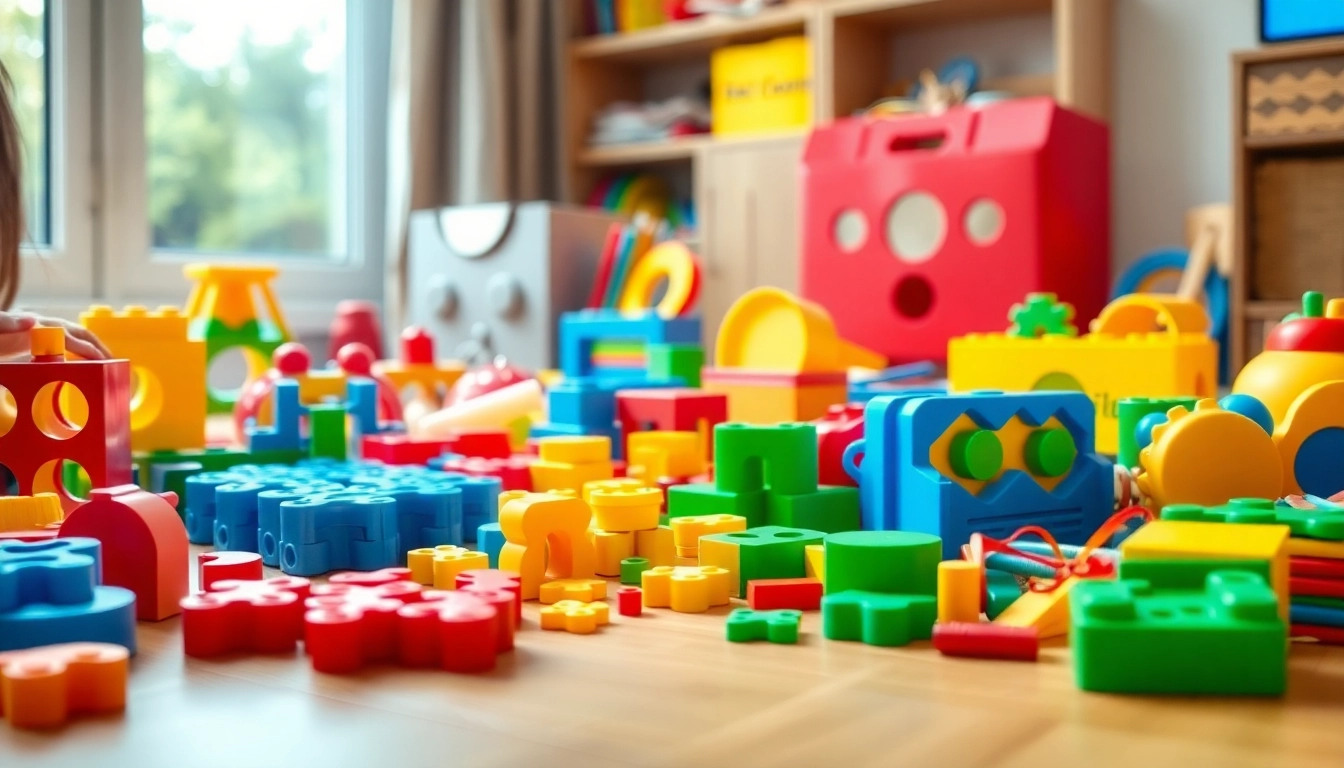
The Importance of Screen-Free Play for Kids
In our technology-driven world, children are increasingly exposed to screens from a young age. While digital devices can offer educational benefits, the importance of screen-free play cannot be understated. Playtime away from screens promotes creativity, social skills, and physical development. It's essential to encourage kids to engage in activities that stimulate their minds and bodies without depending on devices. To explore further insights into this important topic, visit the website for a plethora of screen-free toy ideas and inspiration.
Benefits of Limiting Screen Time
Limiting screen time is beneficial for children's physical and mental health. Excessive screen exposure can lead to a range of issues including obesity, poor sleep, and social isolation. By encouraging screen-free play, children can reap numerous benefits:
- Improved Physical Health: Engaging in active play outdoors fosters physical fitness and reduces the risk of obesity as children use their energy to run, jump, and explore.
- Enhanced Social Skills: Playtime without screens encourages interaction with peers and family, fostering communication, teamwork, and conflict resolution.
- Boosted Creativity: Free play inspires imagination and innovation as children create their own games and stories.
- Better Focus and Attention: Reducing screen exposure can help improve concentration levels, making it easier for children to focus on tasks and engage in learning activities.
Developmental Milestones Supported by Play
Play plays a crucial role in achieving key developmental milestones, supporting cognitive, emotional, and physical growth:
- Cognitive Skills: Problem-solving skills are honed through interactive play; children learn to think critically and adapt to new challenges.
- Emotional Development: Play allows children to express their feelings and develop empathy, essential for healthy emotional regulation.
- Social Interaction: Engaging with peers in cooperative play enhances social development, improving skills in negotiation and collaboration.
- Fine and Gross Motor Skills: Through play, kids develop both fine motor skills (like grasping and manipulation) and gross motor skills (such as running or jumping).
Key Attributes of Effective Play Toys
Selecting the right toys for screen-free play is vital for maximizing developmental benefits. Effective toys exhibit these key attributes:
- Open-Ended Play: Toys that encourage imaginative play allow children to use their creativity to explore different scenarios.
- Adaptive Challenges: Toys that offer various levels of difficulty can grow with your child, sustaining interest and engagement over time.
- Interactive Features: Toys should facilitate social interaction, promoting group play and teamwork.
- Safety and Durability: Quality materials ensure that toys are safe and can withstand active play; this allows for years of enjoyment.
Top Screen-Free Toys for Fine Motor Skills Development
Building Toys: Wood, Plastic, and More
Building toys are a fantastic way to enhance fine motor skills while injecting fun into playtime. Choices like wooden blocks and plastic construction sets allow children to engage in constructive play.
These toys encourage grasping, manipulation, and creativity. They are instrumental in helping kids understand spatial relationships and develop hand-eye coordination. Children can create large structures or intricate designs, providing an excellent workout for their creativity and dexterity.
Sensory Toys for Encouraging Exploration
Sensory toys engage a child's senses—sight, touch, sound, and sometimes even smell. These toys, which can include textured balls, water beads, and sensory bins, promote exploration and discovery.
Such toys are beneficial for developing fine motor skills as children push, squeeze, and roll various sensory materials, enhancing their tactile experiences and hand strength. Encouraging sensory play also promotes cognitive development as children categorize materials and sensations.
Creative Arts and Crafts Supplies
Arts and crafts supplies empower children to express themselves creatively while developing fine motor skills. Supplies such as crayons, scissors, glue, and various craft materials encourage artistic exploration.
Engaging in creative projects with these materials requires different hand movements, which aids in hand strength and dexterity. Projects can range from simple coloring to complex crafts, enabling children to think critically and solve problems as they create their masterpieces.
Play Ideas That Enhance Engagement
Interactive Games to Inspire Creativity
Interactive games promote creativity through storytelling and role play. Games like charades or puppet shows engage kids in storytelling and encourage imagination, communication, and social skills.
These games can be easily adapted to suit various age groups and interests, allowing children to express their creativity while enhancing their social interactions.
Outdoor Activities for Physical Play
Outdoor play is essential for promoting physical health. Activities such as obstacle courses, scavenger hunts, or nature walks are not only fun but also enhance motor skills and overall fitness.
Getting outside allows children to explore their surroundings actively, inspiring curiosity and encouraging them to learn from nature.
Simple DIY Games Using Everyday Items
DIY games using everyday household items can be a fun and cost-effective way to engage children in screen-free play. Simple activities like creating a homemade bowling alley with plastic bottles or a treasure hunt using simple clues can provide hours of enjoyment.
These DIY activities not only inspire creativity but also teach resourcefulness and the value of imaginative play using little more than what is already in the home.

How to Create an Inviting Play Environment
Organizing Toys for Accessibility
A well-organized play area makes it easy for children to access their toys, fostering independence and responsibility. Consider using labeled containers, shelves, or baskets to categorize toys based on their type or function.
Encourage children to help in the organization process, which not only teaches them about responsibility but also enhances their sorting and categorization skills.
Safe Spaces for Active Play
Creating safe spaces for active play is paramount for ensuring children can explore without worries. Soft surfaces, such as rugs or foam mats, can cushion any falls during vigorous play, while ensuring the area is free from sharp objects and hazards is crucial.
Additionally, consider setting boundaries for where children can play, providing an area that feels secure while allowing for active engagement.
Incorporating Nature into Play Areas
Bringing nature into play areas can profoundly impact children's engagement levels. Outdoor activities foster a connection with the environment, enhancing their appreciation of nature and improving overall wellbeing.
Integrate elements like gardens, sandboxes, or natural climbing structures to encourage exploration. Natural materials also provide sensory experiences that stimulate children's curiosity and desire to investigate.
Conclusion: Embracing Screen-Free Fun in Playtime
Recap of Recommended Toys and Activities
In conclusion, screen-free play forms a vital aspect of child development, supporting physical, cognitive, and emotional growth. By integrating effective toys and encouraging diverse play activities, caregivers can reinforce skills vital for children's overall wellbeing. Accessing resources like creative building toys, sensory tools, and engaging DIY games lays a foundation for lifelong learning and fun.
Increasing Family Engagement Through Play
When families participate in play activities, they foster stronger bonds and enrich children's experiences. Screen-free play creates opportunities for parents and guardians to engage actively, resulting in shared memories and meaningful interactions that strengthen family connections.
Encouraging Lifelong Creativity in Children
Encouraging children to embrace screen-free play establishes habits that stimulate creativity and imaginative thinking, skills crucial for their future endeavors. As children experiment with various toys and engage in different activities, they build the confidence to approach challenges with creativity—traits that will serve them throughout their lives.
FAQs
What are some benefits of limiting screen time for children?
Limiting screen time promotes physical health, enhances social skills, stimulates creativity, and improves focus and attention in children.
How can play help with fine motor skills development?
Play activities like building, sensory exploration, and arts and crafts enhance coordination and hand strength, crucial for fine motor skill development.
What types of toys are best for encouraging imaginative play?
Open-ended toys like building blocks, art supplies, and sensory toys allow children to explore their creativity and express their imagination freely.
How can I create a safe play environment at home?
Use soft surfaces, remove hazards, and ensure easy accessibility to toys to create an inviting play area that fosters safe and active engagement.
What DIY games can I create for screen-free play?
DIY games can include activities like homemade obstacle courses, scavenger hunts, or creative crafts using everyday household items for engaging playtime.