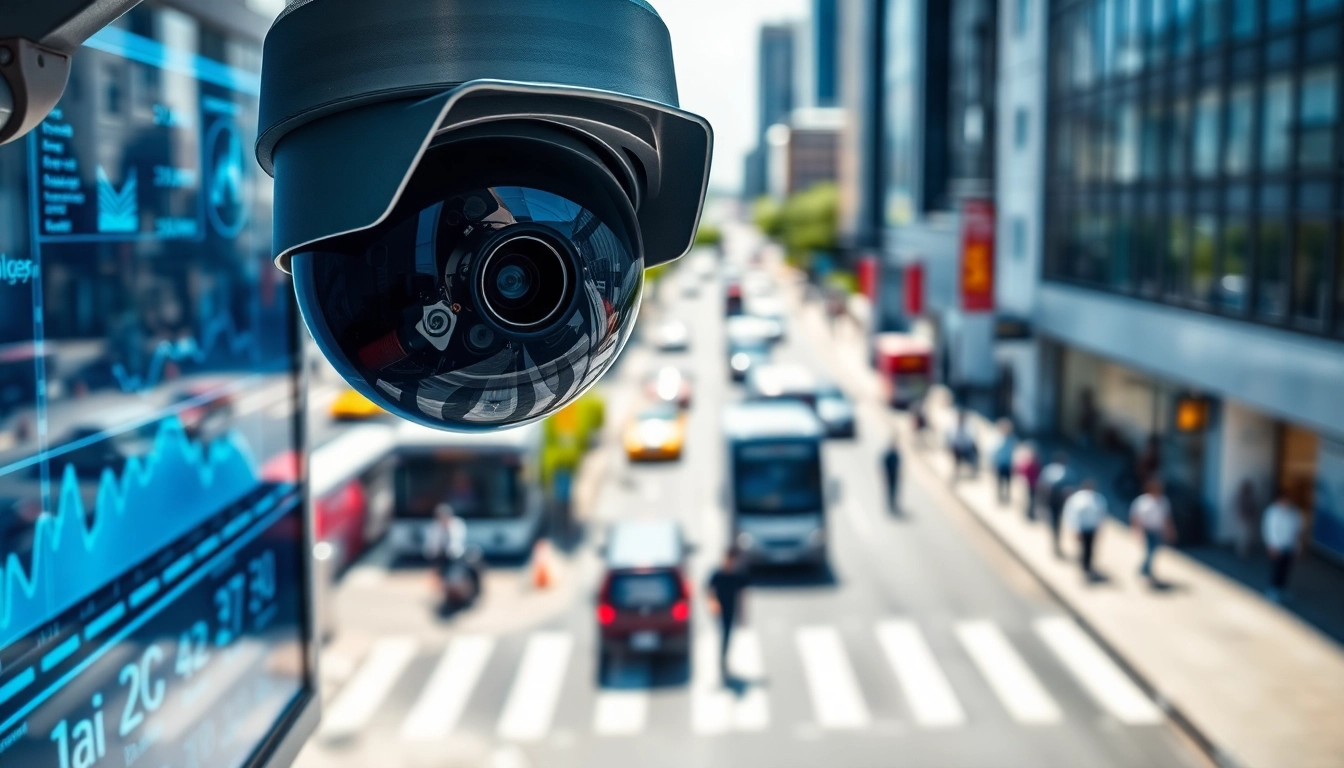
Understanding Security Camera Analytics
With the rise of smart technology in various sectors, the implementation of security camera analytics has become a key element in enhancing security measures. These analytics transform traditional surveillance systems into robust, intelligent tools capable of delivering real-time insights and responses to potential threats.
What is Security Camera Analytics?
Security camera analytics refer to advanced software functions that utilize artificial intelligence and machine learning to interpret and analyze video data. These systems are designed to detect specific patterns and anomalies within surveillance feeds, enabling users to respond quickly to potential threats. Unlike basic monitoring systems, security camera analytics can automatically trigger alerts based on predefined criteria, such as unusual movements, crowd gatherings, or loitering situations.
The Importance of Analytics in Surveillance
The importance of analytics in surveillance extends beyond traditional security measures. By implementing security camera analytics, organizations can significantly reduce the time required to identify and address incidents. This not only improves response times during emergencies but also allows for increased situational awareness. Furthermore, analytics can assist in post-event analysis, providing valuable insights into incidents for future prevention.
Key Features of Security Camera Analytics
The capabilities of security camera analytics can vary based on the technology employed, but some common features include:
- Object Detection: Identifying and classifying objects, whether they are people, vehicles, or specific items.
- Facial Recognition: Matching faces against a database for identification purposes.
- Real-Time Alerts: Instant notifications regarding detected anomalies or predefined behaviors.
- Data Integration: Combining analytics data with other security systems such as access control or alarm systems.
Types of Security Camera Analytics Technologies
Different technologies underpin security camera analytics, offering a range of features for businesses and organizations:
Basic Video Motion Detection
Basic video motion detection is one of the simplest forms of video analytics. This technology tracks changes in pixel values within the camera's view. While effective in identifying movement, it can often generate false alarms, especially in environments prone to changes in light or weather conditions. Basic motion detection serves as an entry-point for organizations seeking to improve surveillance.
Advanced AI-Powered Analytics
Advanced AI-powered analytics harness the power of machine learning and algorithms to provide deeper insights. These systems can learn over time, adapting to their environment and significantly reducing false positives. By distinguishing between individuals, vehicles, and animals, advanced analytics offer a more comprehensive overview of surroundings, which is essential for effective security management.
Behavior Analysis and Tracking
Behavior analysis and tracking take video analytics further by examining the actions performed by subjects within the camera's view. This can include identifying specific behaviors such as running, fighting, or even detecting breaches of restricted areas. By analyzing behavior patterns over time, organizations can identify trends and prepare contingency plans for various scenarios.
Implementing Security Camera Analytics in Your System
To maximize the benefits of security camera analytics, careful implementation is essential. Here's how to integrate these technologies effectively:
Choosing the Right Equipment
Choosing the right equipment is crucial for effective analytics. This involves selecting high-resolution cameras capable of supporting the desired analytic features. Consider factors such as field of view, durability (especially for outdoor usage), and compatibility with analytical software when purchasing cameras for your system.
Integrating Analytics with Existing Systems
Many organizations may already have existing surveillance systems in place. When integrating advanced algorithms, it's vital to assess compatibility with current hardware and software. Upgrading system components like DVRs/NVRs to ensure they can support the analytics features will provide a more seamless experience.
Best Practices for Setup
To ensure optimal functionality, adhere to best practices during setup:
- Conduct a thorough site assessment to determine camera placement.
- Ensure adequate lighting and positioning to minimize blind spots.
- Regularly update software to benefit from the latest analytic capabilities.
- Train staff to effectively use the analytics system and respond to alerts.
Benefits of Using Security Camera Analytics
The benefits of adopting security camera analytics are considerable and can greatly enhance an organization's security posture:
Real-time Incident Response
One of the most compelling advantages is the ability to respond to incidents in real-time. By receiving immediate alerts regarding suspicious activities, security personnel can take appropriate action before a situation escalates, potentially preventing crime or breaches.
Cost-Effectiveness and Resource Management
Although the initial investment in analytics technology can be significant, the long-term savings can offset this cost. Efficient resource management and reduced need for physical personnel can lead to lower expenses. Additionally, leveraging analytics can lead to better-informed strategic decisions regarding security resource allocation.
Improved Safety and Security
By enhancing proactive measures, security camera analytics contribute to creating safer environments, whether in a retail space, office building, or public area. The knowledge that advanced monitoring systems are in use can deter criminal activities, contributing to an overall sense of safety for employees and customers alike.
Common Challenges and Solutions
While the benefits are substantial, implementing security camera analytics also comes with its challenges. Addressing common hurdles effectively is essential for ensuring a successful transition:
Addressing Data Privacy Concerns
Data privacy concerns represent a significant challenge in the realm of security camera analytics. Organizations must adhere to legal regulations, such as GDPR, while implementing surveillance technologies. This involves providing clear privacy policies to inform subjects about data usage and ensuring that footage is securely stored and accessed only by authorized personnel.
Handling False Positives in Analytics
False positives can undermine the effectiveness of security camera analytics, leading to unnecessary panic or confusion. To mitigate this, regular tuning and updating of analytic parameters can help tailor the system to its environment. Utilizing advanced systems that learn and adjust over time can also significantly reduce the incidence of false alerts.
Continuous System Improvement
The landscape of security technology is always evolving. Continuous improvement is necessary to maintain the effectiveness of security camera analytics. Regular assessments of system performance and fabricating updates to technology and processes will enable organizations to stay ahead in their security strategies.
Frequently Asked Questions
What is security camera analytics?
Security camera analytics refer to the use of AI technologies to analyze video feeds for detecting abnormal behaviors and patterns for enhanced security responses.
How do security camera analytics improve safety?
By enabling real-time monitoring and triggering alerts for unusual activities, security camera analytics significantly enhance proactive safety measures in various environments.
Are security camera analytics cost-effective?
Yes, while initial costs may be high, the long-term savings through reduced incidents and efficient resource allocation make analytics cost-effective.
What challenges do organizations face with security camera analytics?
Common challenges include data privacy concerns, false positives, and the need for continuous system improvement to adapt to evolving threats.
How can organizations ensure compliance with privacy laws?
Organizations should implement clear privacy policies, inform individuals about data use, and secure consent where necessary to ensure compliance with privacy laws.