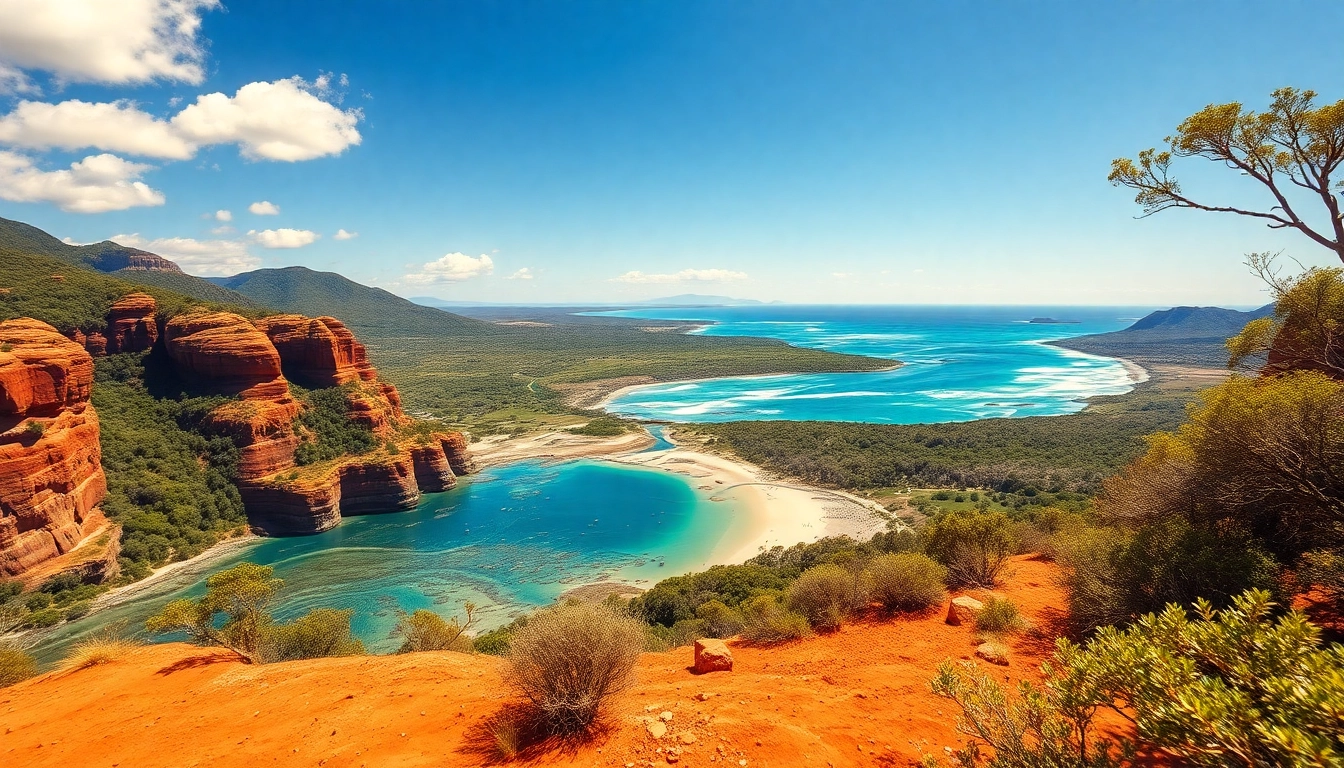
Overview of Australia
Australia is a remarkably diverse nation, often celebrated for its captivating landscapes, unique wildlife, and vibrant culture. Stretching across the Southern Hemisphere, this vast country encompasses a range of geographical features, climate zones, and communities. As the world’s flattest and driest inhabited continent, Australia boasts everything from rugged outback regions to bustling cities, illustrating a rich tapestry of natural and urban environments.
Geographical Features of Australia
Australia is renowned for its distinct geographical elements, which include arid deserts, lush rainforests, extensive coastlines, and striking mountain ranges. The country is predominantly flat, characterized by its ancient geological landscapes. The Great Dividing Range, Australia's largest mountain range, runs along the eastern coast, while the iconic Outback serves as a vast desert expanse that is often considered the heart of the country.
Among its jewels, the Great Barrier Reef stands out as a UNESCO World Heritage site, representing the world's largest coral reef system. Encompassing over 2,300 kilometers, it offers a notable biodiversity of marine life and stunning underwater vistas. Australia’s unique flora and fauna, such as kangaroos and eucalyptus trees, further distinguish it from other continents, making it a haven for nature enthusiasts and researchers alike.
Climate and Weather Patterns in Australia
The climate across Australia varies significantly due to its vast size. The northern region generally experiences a tropical climate, characterized by wet and dry seasons. In contrast, the southern part of the country has a temperate climate, with four distinct seasons. The central part of Australia is arid, reflecting desert conditions.
Weather patterns can be unpredictable, with phenomena such as El Niño and La Niña heavily influencing rainfall and temperature. While summers can be blistering hot, winters in some areas, notably in the southern regions, can bring snow and cold weather, showcasing the country's climatic diversity.
Major Cities and Regions of Australia
Australia's major cities, including Sydney, Melbourne, Brisbane, and Perth, are cultural hubs defined by their unique characteristics. Sydney, with its iconic Opera House and Harbour Bridge, is known for its vibrant arts scene and beach culture. Melbourne, often considered Australia’s cultural capital, is recognized for its coffee culture, diverse population, and thriving arts communities. Brisbane offers a more laid-back lifestyle with a subtropical climate, while Perth, located on the west coast, is celebrated for its beautiful beaches and booming economy.
In addition to these metropolitan centers, Australia is home to unique regions like Tasmania, famous for its natural beauty and wildlife, and the Northern Territory, known for its Indigenous culture and breathtaking landscapes such as Ayers Rock.
Culture and Society in Australia
Australia's society is a vibrant blend of cultures, representing a rich mosaic shaped by immigrants from various backgrounds. This multiculturalism contributes to the country's dynamic social landscape, evident in its festivals, food, and customs.
Multiculturalism in Australia
As one of the world's most multicultural nations, Australia embraces a diverse range of cultures and ethnicities. This cultural richness comes from waves of immigration that began in the 19th century and continue to this day. From Mediterranean and Asian to Middle Eastern and Indigenous communities, this diversity is reflected in many aspects of Australian life, including culinary experiences, religious practices, and community events.
City neighborhoods such as Little Italy in Melbourne and Chinatown in Sydney celebrate cultural heritage through food festivals, markets, and cultural events, fostering an environment where various communities coexist and share traditions. This celebration of diversity is reflected in national policies, promoting inclusion and acceptance for all Australians.
Language and Communication Styles in Australia
The primary language spoken in Australia is English, with variations that reflect the country's multicultural nature. Australian English includes unique slang, idioms, and accents, which can sometimes perplex newcomers. The informal communication style is marked by humor and friendliness, attributes that many associate with Australian culture.
In addition to English, many Australians speak languages from immigrant backgrounds, including Italian, Mandarin, Arabic, and several Indigenous languages, emphasizing the country’s linguistic diversity. Efforts are ongoing to promote the recognition and revitalization of Indigenous languages, which hold significant cultural importance.
Traditional and Modern Australian Values
Australia has a reputation for being laid-back and egalitarian, with a strong emphasis on fairness, known as the "fair go" mentality. This value underpins social interactions and business practices, promoting respect and equality. Moreover, Australians celebrate their history and cultural heritage through various means, particularly during events like Australia Day and NAIDOC Week, which pay tribute to Indigenous communities and their contributions.
Modern values also reflect a growing awareness of environmental issues, with many Australians actively participating in sustainability efforts. This shift towards eco-conscious living permeates various facets of life, from responsible tourism practices to adopting renewable energy solutions.
Education System in Australia
Australia’s education system is recognized globally for its high standards and comprehensive approach to learning. The system includes public and private institutions, catering to a diverse student population and ensuring accessibility to quality education.
Primary and Secondary Education in Australia
Primary education typically begins at the age of five, extending for seven years, followed by secondary education, which lasts another six years. The curriculum emphasizes core subjects, including English, Mathematics, Science, and the Humanities, along with opportunities for the arts and physical education. Many Australian schools participate in international assessments, demonstrating their students’ competitive performance on a global scale.
Additionally, the emphasis on a holistic education approach allows students to engage in extracurricular activities that foster well-rounded development. These activities include sports, music, and community service projects, all designed to build social responsibility and teamwork skills.
Tertiary Education Opportunities in Australia
Tertiary education in Australia offers a wealth of opportunities for students across various fields of study, including vocational education and university pathways. Notable institutions such as the University of Melbourne, the Australian National University, and the University of Sydney rank among the best globally, attracting not only local but also international students.
With a focus on research and innovation, Australian universities provide numerous scholarship opportunities and programs specifically designed for international students, enhancing the educational experience and cultural exchange. The country’s commitment to higher education reflects the need for a skilled workforce in an increasingly competitive global market.
International Student Experience in Australia
Australia is a popular destination for international students, noted for its high-quality education and welcoming atmosphere. The country offers a diverse array of programs to cater to students’ various interests and academic goals. Such diversity enriches the student community, leading to vibrant cultural exchanges.
Additionally, Australia’s regulations ensure that international students enjoy comprehensive support services, including orientation programs, housing assistance, and counseling, making the transition smoother. The blend of academic excellence and a rich lifestyle contributes to Australia being a favored choice for aspiring scholars worldwide.
Economic Landscape of Australia
Australia’s economy is one of the largest and strongest in the world, characterized by its market-based system and extensive trade relations. Its diverse economic landscape offers a wide range of opportunities across various sectors.
Economic Overview: Sectors and Employment
The Australian economy is robust, bolstered by key sectors such as mining, agriculture, manufacturing, and services. The mining sector, in particular, is a significant contributor, with Australia being a leading exporter of natural resources like coal, iron ore, and gold. The agricultural industry thrives in rural regions, producing high-quality products, including meat, wine, and grains that cater to both domestic and international markets.
Moreover, the service sector, comprising healthcare, retail, and education, is a major employer, reflecting the country’s shift towards a knowledge-based economy. Technological advancements and innovation are also driving growth, with a focus on start-ups and entrepreneurship.
Cost of Living in Australia
The cost of living in Australia can vary significantly based on location and lifestyle. Major cities like Sydney and Melbourne generally have higher living costs, especially regarding housing and transportation. However, the quality of life in these urban centers often compensates for the expenses, thanks to amenities, healthcare, and recreational activities.
In contrast, life in regional areas tends to be more affordable, offering lower housing costs and a relaxed pace of living. Individuals considering moving to Australia should evaluate their budget, factoring in potential expenses like healthcare, education, and leisure activities to ensure a sustainable lifestyle.
Income and Salary Insights in Australia
The average income in Australia varies depending on industry, profession, and location. As of recent surveys, individuals earn a median salary close to AUD 80,000 which provides a comfortable standard of living for singles. However, families typically require higher household incomes to maintain a similar lifestyle, especially in urban areas with elevated living costs.
Understanding income disparities across various sectors and geographical regions can guide potential migrants and job seekers in making informed career decisions, highlighting the opportunities available in different fields.
Traveling in Australia
Traveling throughout Australia provides a remarkable opportunity to experience its natural beauty, rich history, and diverse culture. From the stunning Great Barrier Reef to the iconic Outback, each journey offers memorable adventures. Here are key insights for anyone planning to explore this magnificent country.
Essential Travel Tips for Visitors to Australia
When traveling in Australia, it's imperative to plan ahead considering the vast distances between attractions. It’s beneficial to travel by plane for long distances and consider hiring a vehicle for exploring local sites. Travelers should also stay informed on Australian wildlife, especially when venturing into rural or wilderness areas. Respect for local customs and regulations, particularly around Indigenous sites, is crucial for responsible travel.
Top Tourist Destinations in Australia
A trip to Australia wouldn't be complete without visiting its most famous spots. Sydney's Sydney Opera House and Harbour Bridge, Melbourne’s bustling laneways and markets, and the stunning beaches of the Gold Coast are must-sees. Daintree Rainforest, Uluru-Kata Tjuta National Park, and magnificent national parks like Kakadu are ideal for nature enthusiasts.
While urban destinations offer a taste of modern life, the Outback provides a unique perspective on Australia’s history and Indigenous culture, creating interactions that are both educational and transformative.
Sustainable Travel Practices in Australia
Australia is becoming increasingly aware of sustainability in tourism, with various initiatives aimed at minimizing the environmental impact of travel. For eco-conscious travelers, options such as choosing eco-friendly accommodations and participating in conservation programs enrich the travel experience while supporting local communities.
Participating in guided eco-tours, volunteering for wildlife conservation, and adhering to Leave No Trace principles when hiking or exploring natural areas are excellent ways to ensure that your visit supports rather than harms the environment.
Frequently Asked Questions
What is the best time to visit Australia?
The best time to visit varies by region. Generally, spring (September to November) and autumn (March to May) are ideal for most areas, offering pleasant weather and fewer tourists.
Do I need a visa to enter Australia?
Yes, most international visitors require a visa to enter Australia. The type of visa depends on the purpose of the visit, including tourism or study.
Is healthcare free in Australia?
Australia offers a public healthcare system, known as Medicare, which provides free or subsidized healthcare services to citizens and permanent residents. However, many visitors are advised to acquire private health insurance.
What is the currency in Australia?
The official currency in Australia is the Australian Dollar (AUD). It is best to check current exchange rates and consider using local currency for small purchases.
What wildlife can I expect to see in Australia?
Australia is home to diverse wildlife, including kangaroos, koalas, wallabies, and unique birds. Many species are endemic to the continent, making wildlife experiences truly special.